

Vitality Catalyst · Church Revitalization Coach

Category: Vital Blog

  • From Empty Pews to Community Impact: Revitalizing Your Church Through Everyday Missionaries

    From Empty Pews to Community Impact: Revitalizing Your Church Through Everyday Missionaries


    At Exponential 2025, I shared a simple but powerful approach to church revitalization that resonated with leaders nationwide. In churches across America, leaders ask tough questions: When was our last baptism? How many first-time guests do we typically welcome each month? Why aren’t our traditional programs working like they used to?

    If these questions resonate with you, you’re not alone. Many congregations are experiencing decline, but there’s a transformative approach that requires no budget increase, no special training, and can work in any size church.

    The Power of Relationships You Already Have

    The solution isn’t found in elaborate new programs but in your members’ relationships. Consider this: the average person knows approximately 150 people, with 338 Facebook friends and 150-200 Instagram connections. Your congregation already knows everyone they need to reach!

    Jesus exemplified this relational approach. When He called His disciples, He often asked, “Who do you know?” (John 1:41-42). The early church grew through relationships as believers spent time in each other’s homes and celebrated together (Acts 2:46-47).

    One small church, with just five committed members, implemented this simple approach and welcomed 17 new families through its existing relationships without spending an additional dollar.

    The Everyday Missionary Concept

    What is an everyday missionary? Simply put, a regular church member connects with people they already know—no awkward evangelism is required.

    To become everyday missionaries, your members don’t need seminary training—they need to recognize the circles of influence they already have:

    • Circle 1: People they see weekly (family, close friends, coworkers)
    • Circle 2: People they see monthly (neighbors, service providers)
    • Circle 3: People they interact with occasionally (local businesses)
    • Circle 4: People from their past or friends-of-friends

    The approach is straightforward: Each person selects three individuals to focus on—one who is potentially open to spiritual conversations, one who has a current need, and one who they enjoy spending time with.

    Simple Tools Anyone Can Use

    The most effective tools for church revitalization are surprisingly simple:

    1. The Prayer-Care-Share Approach

    • Pray for your three people daily (takes just 2 minutes)
    • Show care weekly through a text, coffee, or small favor
    • Watch for natural opportunities to share (no forcing conversations)

    2. The Coffee Question Method

    • “How are you doing?” (then genuinely listen)
    • “What’s been challenging lately?”
    • “Can I pray about that for you?” (most people say yes)

    3. The Next-Step Toolkit

    • Invitation to a non-threatening church event
    • Simple Bible reading plan for beginners
    • Local service project you can do together

    Implementation Without Overwhelm

    Start small:

    • Begin with the pastor and 2-3 key leaders
    • Each identifies its three focus people
    • Meet weekly for 30 minutes to pray and share
    • Celebrate any small wins or conversations

    After a month, expand to a core team of 10-15 motivated members. You can launch a church-wide initiative with simple training and support systems by month three.

    The key is maintaining momentum through:

    • Brief “missionary moments” during Sunday services
    • Weekly text message prayer reminders
    • Monthly 30-minute huddles before or after services

    Addressing Common Concerns

    When introducing this approach, you’ll hear:

    “I’m scared to talk about faith.” Start with just praying for people. Listen more than you talk. Simply asking, “Can I pray for you about that?” opens doors.

    “I don’t have time for another program.” This isn’t a program—it’s just relationships. Pray while driving. Connect with people you already see.

    “What if people reject me?” Most welcome genuine interest with no strings attached. Offer help gracefully and respect boundaries.

    “This will just fizzle out like everything else.” Start small with committed people. Celebrate every win publicly. Keep it extremely simple.

    From Subtraction to Multiplication

    Church decline happens incrementally—one person at a time drifting away. Revitalization happens the same way—one relationship at a time being restored and multiplied.

    The person who will change your church’s future isn’t a consultant or a new pastor with innovative ideas. That person is sitting in your chair right now. With your relationships and influence, you hold the key to moving from subtraction to multiplication.

    Remember three simple principles:

    1. Start small (3 people you already know)
    2. Keep it simple (pray, care, share)
    3. Celebrate every win (no matter how small)

    This isn’t about church growth—it’s about people finding Jesus. It can begin with just one person this week: pray daily, reach out once, and watch what God does through ordinary people becoming everyday missionaries.

    Your church’s future is waiting, not in new programs, but in relationships you already have.

    Originally published on the Church Vitality Network.

  • Robert’s Rules and the Church: A Historical and Biblical Examination

    Robert’s Rules and the Church: A Historical and Biblical Examination


    A familiar refrain echoes in the small church boardrooms and denominational gatherings across America: “I move that…” followed by “I second.” This parliamentary procedure, known as Robert’s Rules of Order, has become so entrenched in church governance that many leaders assume it carries biblical authority. However, this system—designed for secular parliamentary settings—may be inhibiting the very spiritual vitality many churches seek to cultivate. This article examines how Robert’s Rules entered church life, why it may be ill-suited for church revitalization, and what Scripture suggests about Christian decision-making.

    The Historical Adoption

    Origins Outside the Church

    Henry Martyn Robert, an Army engineer with no theological training, published his “Pocket Manual of Rules of Order for Deliberative Assemblies” in 1876. His motivation was purely secular: after embarrassment from poorly running a church meeting, he determined to create standardized parliamentary procedures for civic organizations. The system was modeled after the United States House of Representatives’ procedures—not biblical patterns of church governance.

    Entry Into Church Life

    Robert’s Rules entered church governance through several converging factors:

    1. Timing and Cultural Context: The late 19th century saw American Protestantism embracing organizational efficiency and democratic processes mirroring broader societal values. Churches were increasingly viewed as institutions requiring formal management.
    2. Denominational Growth: Major Protestant denominations were establishing regional and national governing bodies, necessitating standardized meeting procedures for larger assemblies.
    3. Seminary Education: As theological education formalized, administrative training, including parliamentary procedure, became part of pastoral preparation.
    4. Legal Requirements: Churches’ legal incorporation required demonstrable governance procedures. Robert’s Rules provided a recognized standard.
    5. Business Model Influence: The 20th century saw churches increasingly adopting corporate management models, with Robert’s Rules fitting neatly into board-style leadership.

    What began as a practical tool gradually gained nearly canonical status in many denominations. Today, many church constitutions explicitly require following Robert’s Rules, giving a secular procedural manual effectively binding authority in spiritual communities.

    Biblical Examination

    Scripture provides several models of decision-making that differ significantly from parliamentary procedure:

    The Jerusalem Council (Acts 15)

    When the early church faced a significant theological dispute, they didn’t employ parliamentary procedure but rather:

    • Engaged in “much debate” (v.7) without formal motions
    • Listened to testimonies and experiences (vv.7-12)
    • Considered scriptural wisdom (vv.15-18)
    • Reached consensus through discernment (v.28): “It seemed good to the Holy Spirit and to us…”

    This approach prioritized unity, spiritual guidance, and consensus rather than majority rule.

    Paul’s Instructions on Church Order

    Paul’s guidance for church gatherings in 1 Corinthians 14:26-33 emphasizes orderly participation but focuses on spiritual edification: “Let all things be done for building up” (v.26). The order Paul describes is about respectful communication to ensure all can contribute meaningfully, not procedural formality.

    Leadership in the Early Church

    Acts 6:1-7 shows the apostles engaging the whole community in solving problems: “The proposal pleased the whole community” (v.5, NRSV). This collaborative approach differs markedly from the representative democracy model of Robert’s Rules.

    The Body Metaphor

    Paul’s description of the church as a body (1 Corinthians 12) suggests an organic, interconnected decision-making process where all parts are valued: “The members of the body that seem to be weaker are indispensable” (v.22). This contrasts with parliamentary procedure’s emphasis on majority rule, which can marginalize minority voices.

    Why Robert’s Rules May Hinder Church Revitalization

    1. Procedure Over People

    Jesus consistently prioritized people over procedure, challenging religious leaders who elevated rules above compassion (Matthew 12:1-14). Robert’s Rules’ emphasis on procedural correctness can shift focus from relationships to regulations.

    “By this everyone will know that you are my disciples, if you have love for one another.” (John 13:35)

    2. Power Dynamics

    Scripture encourages servant leadership (Mark 10:42-45), yet Robert’s Rules can create an environment where those familiar with procedural intricacies hold disproportionate influence.

    “Not so with you. Instead, whoever wants to become great among you must be your servant.” (Mark 10:43)

    3. Speed and Adaptability

    Church revitalization often requires responsive leadership that is sensitive to the Holy Spirit’s guidance. The formality of Robert’s Rules can hinder rapid adaptation to emerging needs.

    “Since we live by the Spirit, let us keep in step with the Spirit.” (Galatians 5:25)

    4. Winning vs. Consensus

    Parliamentary procedure’s voting mechanisms create winners and losers, potentially fostering division. Scripture instead emphasizes unity and mutual submission.

    “Make every effort to keep the unity of the Spirit through the bond of peace.” (Ephesians 4:3)

    5. Cultural Relevance

    Paul became “all things to all people” (1 Corinthians 9:22) to effectively communicate the gospel. The formality of Robert’s Rules can create barriers for younger generations and diverse populations unfamiliar with parliamentary procedure.

    Alternative Approaches

    Churches seeking revitalization might consider:

    1. Discernment-Based Models: Practices that intentionally seek the Holy Spirit’s guidance through prayer, Scripture, and listening.
    2. Consensus-Building: Approaches that work toward unity rather than simple majority rule.
    3. Dialogue-Centered Processes: Methods emphasizing authentic conversation and relationship over procedure.
    4. Modified Systems: Adapted procedures maintaining order while reducing formality and complexity.

    Last thoughts…

    Robert’s Rules of Order, while providing structure and preventing chaos, was never designed with the spiritual community in mind. As churches seek revitalization, examining whether this secular parliamentary system aligns with biblical principles of community, discernment, and Spirit-led leadership becomes essential.

    The early church thrived without Robert’s Rules for nearly two millennia. Perhaps today’s churches would benefit from governance approaches more intentionally rooted in Scripture and the unique calling of the Body of Christ. As Jesus reminded the religious leaders of his day: “The Sabbath was made for man, not man for the Sabbath” (Mark 2:27). Similarly, church governance should serve the church’s mission, not become an end in itself.

    “Unless the LORD builds the house, the builders labor in vain.” (Psalm 127:1)

    Originally published on the Church Vitality Network.

  • How Pastors Can Maintain Vitality in a Distracted World

    How Pastors Can Maintain Vitality in a Distracted World

    How Pastors Can Maintain Vitality in a Distracted World

    In a world that increasingly values convenience over commitment, many church leaders find themselves swimming against the cultural current. The pastoral calling demands consistent energy, focus, and spiritual vitality—yet the same forces affecting our congregations also tug at those called to lead them.

    As shepherds of flocks both large and small, how do we maintain our edge when the surrounding culture whispers “take it easy” at every turn? Let’s explore practical strategies for pastors to stay spiritually and mentally vibrant in today’s “sit back” environment.

    The Cultural Undertow

    Before addressing solutions, we must recognize the powerful currents we are navigating:

    Many of us have seen the gradual shift toward passive consumption in our society. From entertainment that requires no engagement to the expectation of immediate results without sustained effort, these cultural patterns don’t stop at the church door—they affect both our congregations and ministerial lives.

    The pastoral role is particularly vulnerable to these influences for several reasons:

    1. Ministry work is often invisible and incremental—unlike jobs with clear metrics and immediate feedback
    2. Spiritual leadership requires self-motivation that must come from within rather than external accountability
    3. The line between “being” and “doing” in ministry can become blurred, making productivity difficult to measure
    4. Increasing digital distractions compete for the mental space once reserved for prayer and study
    5. Administrative demands can easily crowd out the deep spiritual work that energizes our calling

    Rekindling Your Pastoral Fire

    Despite these challenges, there are proven pathways to sustained vitality in ministry. Here are practical strategies for keeping spiritual and vocational vigor:

    1. Create Sacred Space for Spiritual Formation

    The most productive pastors are not necessarily those who work the most hours, but those who operate from the deepest spiritual depth wells.

    Practical steps:

    • Designate physical spaces exclusively for prayer and study—free from administrative work
    • Schedule non-negotiable “spiritual intake” time before opening emails or social media
    • Establish boundaries that protect your communion with God from the tyranny of the urgent

    Remember: You cannot sustain giving what you are not regularly receiving.

    1. Implement Accountability Structures

    In a culture that celebrates individual autonomy, intentional accountability becomes essential.

    Practical steps:

    • Form a small cohort of fellow pastors who meet monthly for honest conversation
    • Share your study and sermon preparation goals with a trusted colleague
    • Consider a spiritual director who asks difficult questions about your inner life

    As Solomon wrote, “Iron sharpens iron, and one person sharpens another.” This sharpening rarely happens accidentally.

    1. Embrace Productive Discomfort

    Spiritual growth rarely happens in comfortable places. The muscle of ministerial discipline strengthens through regular challenge.

    Practical steps:

    • Regularly tackle theological topics outside your comfort zone
    • Engage with voices and perspectives different from your own
    • Challenge yourself with reading that stretches your thinking
    • Practice spiritual disciplines that don’t come naturally to you
    1. Design Your Environment for Focus

    Your physical and digital environments powerfully shape your mental state and productivity.

    Practical steps:

    • Create a distraction-free zone for deep work on sermons and teaching
    • Use website blockers during designated study periods
    • Implement analog hours: periods when digital devices are completely off
    • Organize your office to minimize visual clutter that fragments attention
    1. Measure What Matters

    In ministry, what’s easily measured isn’t always what’s most important. Develop metrics that reflect actual pastoral effectiveness.

    Practical steps:

    • Keep a journal tracking not just activities but also spiritual insights
    • Document meaningful pastoral conversations and prayers, not just meetings attended
    • Review monthly: “Where did I sense God’s presence most strongly in my ministry?”
    • Celebrate small, faithful acts that won’t make ministry highlights but form the backbone of pastoral care

    The Counter-Cultural Nature of Pastoral Vitality 

    Perhaps the most important realization is that pastoral vitality has always been counter-cultural. From the desert fathers to modern spiritual leaders, those who have sustained meaningful ministry have often lived intentionally against the prevailing patterns of their age.

    Today’s challenge isn’t new. It is just uniquely shaped by our digital, distracted era. When we intentionally structure our lives around practices that foster deep spiritual wells, we serve more effectively and model for our congregations what it means to live purposefully in a world of passive consumption.

    The apostle Paul’s words to Timothy remain powerfully relevant: “Fan into flame the gift of God” (2 Timothy 1:6). In a world designed to dampen our spiritual fires with distraction and comfort, the intentional fanning of our ministerial flame isn’t just beneficial—it’s essential.

    May your ministry be marked not by frantic activity nor passive disengagement but by the sustainable, focused vitality that comes from intentional Holy Spirit leadership in a sit-back world.

    Photo 

    Originally published on the Church Vitality Network.

  • The Slow Fade: Lessons from “Revenge of the Sith” on Guarding the Heart: 20 Years Later

    The Slow Fade: Lessons from “Revenge of the Sith” on Guarding the Heart: 20 Years Later

    As “Star Wars Episode III: Revenge of the Sith” celebrates its 20th anniversary, the film offers compelling parallels to spiritual warfare and the subtle ways temptation can transform even the most promising individuals. Anakin Skywalker’s descent from Jedi Knight to Darth Vader provides a powerful metaphor for understanding how destructive influences can gradually corrupt good intentions.

    The Slow Fade of Anakin Skywalker

    Anakin’s transformation didn’t happen overnight. What makes his story so compelling is how gradually his fall occurred. The journey began with small compromises driven by fear, attachment, and a desire for control. These seemingly minor decisions created cracks in his character that eventually became irreparable fractures.

    This “slow fade” mirrors how spiritual corruption often works in real life. Rarely does someone make a single catastrophic moral choice without first making numerous smaller compromises. Anakin’s path shows how vulnerability, fear, and the promise of power can combine to lead someone astray.

    Targeting Families in Moments of Vulnerability

    In the film, Anakin’s fall accelerates when he fears for his pregnant wife Padmé’s life. This vulnerable period—anticipating the birth of children—became the leverage point for manipulation. The fear of loss became so overwhelming that Anakin was willing to sacrifice his principles to prevent it.

    Similarly, significant life transitions like pregnancy, childbirth, career changes, or relocations can create vulnerable periods in family life. These moments of transition can become entry points for destructive influences when people are emotionally raw and seeking security.

    Insights for Spiritual Leaders

    For pastors and spiritual leaders, Anakin’s story offers several important lessons:

    1. Recognize the power of fear: Fear was the primary emotion the Emperor exploited in Anakin. Leaders should acknowledge how fear can drive poor decisions and provide biblical perspectives on handling anxiety.

    2. Watch for isolation: As Anakin’s doubts grew, he became increasingly isolated from his mentors. Spiritual health thrives in community, withers in isolation.

    3. Identify half-truths: The Emperor rarely told outright lies; he specialized in half-truths that contained just enough reality to seem plausible. Discernment requires examining not just if something contains truth, but if it presents the whole truth.

    4. Monitor your motivations: Anakin’s desire for power began with good intentions—to save those he loved. Leaders must regularly examine their motivations, as even good intentions can become corrupted.

     5. Establish accountability: Anakin lacked effective accountability. Creating structures that encourage transparency can prevent the “slow fade” from taking hold.

    Guarding Your Heart in Leadership

    Proverbs 4:23 advises, “Above all else, guard your heart, for everything you do flows from it.” For spiritual leaders, this means:

    1. Maintaining regular, honest prayer and reflection
    2. Cultivating authentic relationships where you can be transparent
    3. Setting appropriate boundaries around time, relationships, and resources
    4. Practicing regular sabbath and rest
    5. Seeking wise counsel before making significant decisions
    6. Acknowledging personal vulnerabilities and weaknesses

    The Hope Beyond the Fall

    While “Revenge of the Sith” depicts Anakin’s fall, the broader Star Wars saga reminds us that redemption remains possible even after significant moral failure. Spiritual leaders can take heart that even when people stray, the possibility of return and restoration always exists.

    By recognizing the patterns of the “slow fade” and implementing practices that guard the heart, spiritual leaders can help themselves and their communities resist destructive influences and maintain moral clarity during vulnerable seasons of life.

    P.S. This movie is a personal favorite 

    Originally published on the Church Vitality Network.
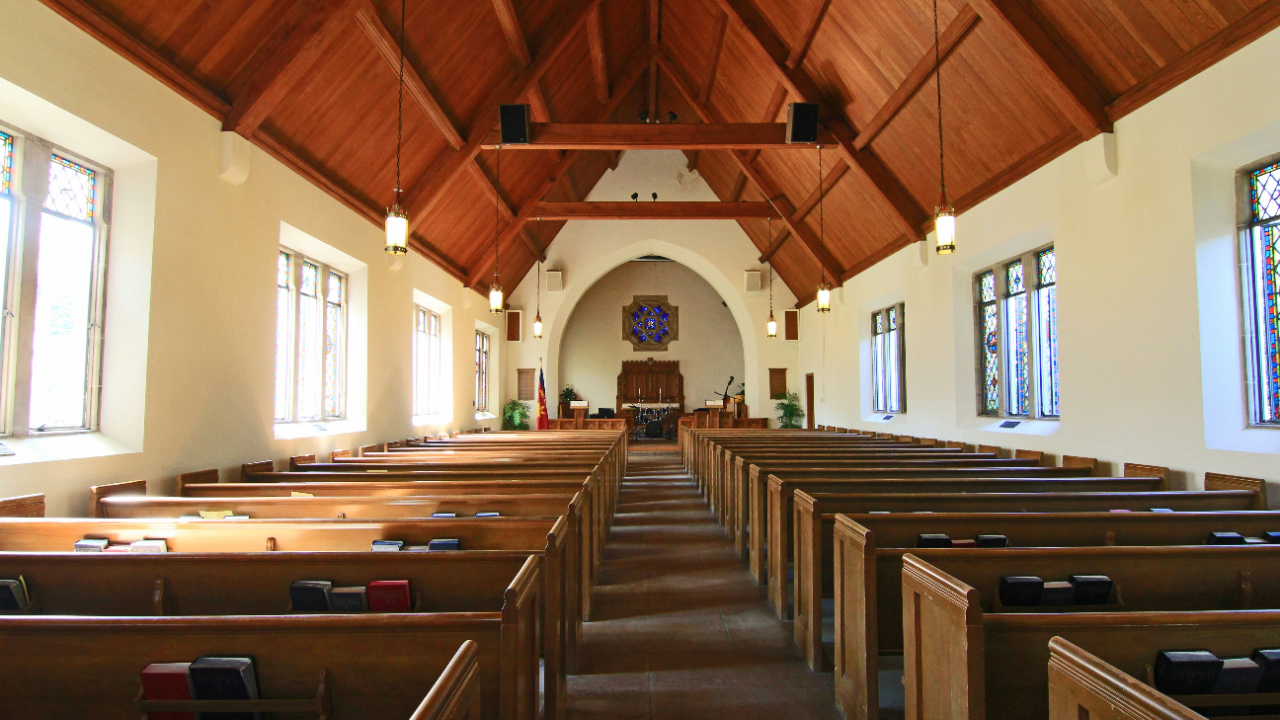
  • Church Planting vs. Church Revitalization: Understanding the Difference and the Dangers of Misapplied Replanting

    Church Planting vs. Church Revitalization: Understanding the Difference and the Dangers of Misapplied Replanting

    Church Planting vs. Church Revitalization: Understanding the Difference and the Dangers of Misapplied Replanting

    The work of building God’s church takes many forms, but two primary approaches stand out: church planting and church revitalization. While both share the goal of seeing thriving, gospel-centered communities, they require different skills, leadership styles, and strategies. In recent years, the concept of church replanting has emerged as a hybrid of these two, but when misunderstood, it can lead to unnecessary division, broken leadership transitions, and even church closures.

    Understanding these distinctions is critical for pastors, denominational leaders, and church members alike. When the wrong approach is applied to a struggling church, the results can be devastating. This article will explore the key differences between church planting and church revitalization, define how replanting confuses these categories, and highlight why improper replanting often does more harm than good.

    Church Planting: The Work of the Pioneer

    A church planter is an entrepreneurial leader who starts a new church from the ground up. This is often done in an area with few gospel-preaching churches or among an unreached people group. Church planters have a pioneering spirit, willing to take risks, engage with unchurched people, and develop a fresh community of believers.

    Key Characteristics of a Church Planter

    1.   High-Risk Tolerance – Church planting requires stepping into the unknown, securing funding, gathering a launch team, and working without the stability of an existing congregation.
    2.   Visionary Leadership – Planters create something out of nothing. They must cast a compelling vision that attracts new people and sustains long-term growth.
    3.   Flexibility and Innovation – Since there are no established traditions or systems, church planters must be adaptable and willing to experiment with new ministry methods.
    4.   Evangelistic Focus – A planter’s primary task is reaching lost people. They spend significant time in the community, building relationships and sharing the gospel.
    5.   Team Builders – Church planting is not a solo effort. Successful planters recruit leaders, develop volunteers, and create a strong culture of discipleship.

    Challenges in Church Planting

    While church planting is exciting, it also comes with major challenges:

    •   Financial Struggles – Most new churches start with little to no funding, requiring planters to fundraise or work bi-vocationally.
    •   Isolation and Burnout – The weight of launching and sustaining a church can be overwhelming, leading to high rates of discouragement.
    •   High Failure Rate – Many planted churches struggle to reach sustainability and may close within the first five years.

    Despite these challenges, planting new churches is one of the most effective ways to reach new people with the gospel and expand the Kingdom of God.

    Church Revitalization: The Work of the Restorer

    While church planting starts from scratch, church revitalization focuses on restoring an existing church that has declined in attendance, energy, or mission. Unlike church planting, revitalization involves working with an established congregation—often one that has experienced years of stagnation or conflict.

    Key Characteristics of a Church Revitalizer

    1.   Problem-Solving and Discernment – A revitalizer must diagnose the church’s core issues, whether theological drift, leadership dysfunction, lack of mission, or outdated ministry strategies.
    2.   Relational Leadership – Unlike planters, who build a congregation from the ground up, revitalizers inherit a people with deep histories, traditions, and wounds. They must navigate these relationships carefully.
    3.   Patience and Perseverance – Revitalization is slow. It often takes years to turn a church around, requiring the leader to endure resistance and setbacks.
    4.   Cultural Adaptation – While honoring the church’s past, a revitalizer must guide the congregation toward changes that make it more effective in reaching its community.
    5.   Spiritual Renewal – Many struggling churches suffer from more than just low attendance. They need deep repentance, renewed faith, and fresh dependence on the Holy Spirit.

    Challenges in Church Revitalization

    Revitalization is just as difficult—if not more so—than church planting:

    •   Internal Resistance – Change is hard. Many members of declining churches are deeply attached to traditions, even if they no longer serve the mission.
    •   Trust Issues – Since declining churches have often gone through leadership conflicts or splits, revitalizers must rebuild trust before leading significant changes.
    •   Emotional Toll – Walking into a dying church and trying to breathe new life into it can be emotionally draining, especially when members resist every move.

    Despite these challenges, revitalization is essential. Thousands of churches close every year—not because they lack potential, but because they need courageous leaders to help them regain their vision.

    The Confusion and Danger of Church Replanting

    As church planting and revitalization have gained momentum, a third category—church replanting—has emerged. Replanting attempts to combine elements of both approaches, taking a declining church and treating it as a “new work” rather than a traditional revitalization effort.

    While this may seem like a helpful solution, in many cases, replanting creates confusion and leads to unnecessary damage. Here’s why:

    1. Replanting Often Forces a Church Planting Model Onto an Existing Church

    Church planters thrive on newness—new people, new structures, new ideas. However, struggling churches have histories, traditions, and existing members who still care about the church, even if they don’t know how to fix it. When a planter with a bulldozer mentality takes over and implements a completely new model, existing members often feel betrayed or discarded.

    Instead of rebuilding trust and guiding people toward transformation, the leader may wipe out what remains of the congregation, leaving a new church but a wounded people.

    1. Replanters Often Lack the Patience Required for Revitalization

    A revitalizer knows that change takes time. A replanter, however, often feels pressure to quickly reshape the church into something new. This urgency can lead to:

    •   Forcing out long-term members who don’t immediately embrace change.
    •   Overhauling traditions too quickly, causing division instead of unity.
    •   Burning out because the transformation isn’t happening fast enough.
    1. Replanting Often Overlooks the Church’s Original Mission and Identity

    Every church, no matter how broken, was planted with a mission and purpose. A true revitalizer seeks to recover that mission, while a church planter is more likely to replace it with their own vision.

    When a replanter disregards the church’s history, long-time members may feel abandoned, making conflict and church splits more likely.

    1. Replanting Can Be an Excuse for Avoiding the Hard Work of Revitalization

    Revitalization is harder than planting in many ways. It requires deep relational work, dealing with people’s hurts, and guiding a church through spiritual renewal. Some leaders, instead of engaging in this tough work, choose to replant because it feels more like planting a fresh, exciting church—even if it means sweeping away existing members and their concerns.

    While there are cases where replanting is necessary (such as a church that has fully disbanded and wants to restart), it should not be the default approach to struggling churches. Too often, a replant is simply a failed revitalization attempt that ignored the people already there.

    Conclusion: Discern the Right Calling for the Right Church

    Church planting, revitalization, and replanting all have their place in God’s Kingdom, but they are not interchangeable strategies.

    •   If a church has fully died and disbanded, a replant may be appropriate.
    •   If a church still has a core of people willing to change, revitalization is the better path.
    •   If there is no church presence at all, planting is needed.

    A healthy, Spirit-led approach to church leadership requires wisdom, patience, and the right leader for the right situation. When leaders misapply planting or replanting principles to a revitalization effort, the damage can be severe. But when a leader is properly matched to the needs of a church, real transformation can happen—and God’s church can flourish once again.

    Originally published on the Church Vitality Network.

  • 4 Actions To Making Smart Choices in Church Revitalization

    4 Actions To Making Smart Choices in Church Revitalization

    Ever notice how different people spend their money and time? Rich people buy more time for what matters. Poor people often spend money on things they don’t need. People who want to grow invest in learning. And those who lack focus? They spend on things that distract them. Let’s talk about how this applies to leading a church and staying focused on what really counts.

    Why Focus Matters for Church Leaders

    Being a church leader today isn’t easy. Think about it – your phone is always buzzing, your inbox is overflowing, and social media never stops. It’s like trying to have a quiet conversation in a noisy room! The Bible talks about this kind of challenge. In 2 Timothy 2:4, Paul says it’s like being a soldier – you can’t get caught up in things that don’t matter when you’re on an important mission.

    Four Easy Steps to Get Back on Track

    1. Make Time for What Matters

    Think of your day like a backpack. If you fill it with rocks (the important stuff) first, you’ll still have room for the pebbles and sand (the less important stuff). Start your day like Jesus did – find a quiet place to pray and think. Mark 1:35 tells us Jesus got up early to pray alone. This quiet time helps you hear God’s plan for your church more clearly.

    1. Keep Learning

    Just like you wouldn’t trust a doctor who stopped learning medicine years ago, a church leader must also keep growing. The Bible says in 2 Timothy 2:15 that we should do our best to learn God’s truth well. Read good books, attend helpful conferences, and find mentors to teach you new things.

    1. Build a Strong Team

    Remember when Moses was trying to do everything himself? His father-in-law told him, “That’s not smart!” You need good people around you. The Bible says in Ecclesiastes 4:9 that two people working together get more done than one person alone. Find people who can help you lead – you don’t have to do it all yourself.

    1. Take Care of Yourself

    Do you know how your phone needs charging? Well, you do, too! Jesus said in Matthew 11:28 that when we’re tired, we should come to Him for rest. This means taking breaks, having real days off, and finding ways to recharge that work for you.

    Why This All Matters

    Making a church stronger isn’t just about having cool programs or a better website. It’s about having a healthy spiritual life that spreads to others. Isaiah 40:31 promises that when we trust in God, He gives us new strength – like an eagle soaring high above problems.

    To all church leaders reading this: What you do matters. Yes, strengthening a church is hard work, but God is with you. He promised in Philippians 1:6 that He’ll help finish the good work He started in you and your church.

    Think of leading a church like tending a garden. You need the right tools, good seeds (ideas), and patience. But most importantly, you need to show up and do the work while trusting God to make things grow.

    Jesus promised that He would build His church (Matthew 16:18). Your job is to be His faithful helper. Amazing things can happen when you focus on what matters and ignore the distractions.

    Remember: God picked you for this roll and will help you finish well. Keep your eyes on what matters most, and watch how God works through you to strengthen your church!

    Originally published on the Church Vitality Network.

  • Finding Rest in Revitalization

    Finding Rest in Revitalization

    As I sit here in my study, watching the New England snow fall outside my window, I’m reminded of Jesus’s profound teaching in Mark 4:26-34 about the mysterious growth of seeds. This passage has become increasingly meaningful in my journey as a pastor serving in this unique spiritual landscape.

    “The kingdom of God is like this,” he said. “A man scatters seed on the ground. 27 He sleeps and rises night and day; the seed sprouts and grows, although he doesn’t know how. 28 The soil produces a crop by itself—first the blade, then the head, and then the full grain on the head. 29 As soon as the crop is ready, he sends for the sickle, because the harvest has come.” 

    The Hidden Work of God

    Jesus tells us that the kingdom of God is like a man who scatters seed on the ground. Night and day, whether he sleeps or gets up, the seed sprouts and grows, though he does not know how. This truth has revolutionized how I approach ministry and rest in New England’s challenging soil.

    For years, I felt the weight of revitalization resting solely on my shoulders. Every empty pew seemed to whisper accusations of failure. Every unanswered altar call felt like a personal shortcoming. But God has taught me, through both Scripture and experience, that while we’re called to be faithful sowers, He alone brings the growth.

    The Freedom in Letting Go

    Understanding God’s sovereignty in ministry growth has transformed how I view my role and the necessity of rest. Here in New England, where church attendance often feels like swimming upstream, this truth becomes even more crucial. We’re not called to force growth or manipulate results – we’re called to plant seeds faithfully and tend, trusting God with the outcomes.

    Four Practical Steps for Building Margin

    1. Schedule Rest Before Need

    Plan your vacations and days off at the start of the year. Don’t wait until you’re running on empty. I’ve learned to book my time off six months in advance, treating it as seriously as any other pastoral commitment.

    2. Create Daily Rhythms

    Build small pockets of rest into each day. I’ve found that, at minimum, my first hour and minutes of quiet prayer in the morning before checking emails or messages help me maintain a listening posture throughout the day. This isn’t just about spiritual discipline but acknowledging God’s control.

    3. Find Your Rest Tribe

    Develop relationships with other pastors who understand the unique challenges of New England ministry. That is why I love being a part of BCNE. Pastors can meet monthly for coffee, sharing both burdens and victories. This reminder that we’re not alone in the work is invaluable.

    4. Practice the Art of No

    Learn to say “no” to good opportunities so you can say yes to the best ones. I keep a margin journal, tracking where my time goes and adjusting as needed. Invest your time over spending it. This helps me focus on my primary calling rather than spreading myself too thin with those who could waste time, energy, and resources. 

     God’s Timing is the Best

    The spiritual soil here can seem rocky and unreceptive. But just as farmers know different crops have different growing seasons, God’s timing for spiritual harvest varies. Our role is to remain faithful in planting and watering, trusting His perfect timing. We are faithful with the seeds, and God is faithful with the stalks.

    I’ve watched seemingly dormant seeds suddenly spring to life in my congregation – the long-prayed-for deacon who finally stepped forward, the youth ministry that unexpectedly blossomed after years of steady investment. These moments remind me that God is always working, even when we can’t see it.

    A Final Word of Encouragement

    Dear fellow pastor, your worth isn’t measured by your church’s attendance or budget. Your value isn’t determined by the speed of growth or visible success. You’re called to be faithful, not omnipotent. Take that vacation. Guard your day off. Protect your morning quiet time.

    Remember, while you rest, the seeds are still growing. While you sleep, God is still working. Your faithfulness at rest is just as important as your faithfulness at work. Trust the mysterious and wonderful ways God brings growth in His perfect timing.

    The kingdom of God in New England may grow differently than in other regions, but it grows nonetheless. Keep planting, keep watering, and keep resting – knowing that God gives the increase in His way and His time.

    Originally published on the Church Vitality Network.

  • From the Pulpit to the Track: A Fresh Look at Pastoral Health in 2025

    From the Pulpit to the Track: A Fresh Look at Pastoral Health in 2025


    The landscape of pastoral health has evolved significantly since our groundbreaking work since 2005-2013. Our research, which led to two transformative books, and a regional study, revealed a crucial truth: pastors must lead by example in both spiritual and physical wellness. Let’s explore how this wisdom intersects with current challenges and opportunities.

    The Reality Check: More Than Numbers

    Recent Baylor University research confirms what we’ve long suspected – over a third of clergy members struggle with obesity. But here’s the encouraging news: built-in spiritual practices like Sabbath-keeping and peer support groups significantly improve health outcomes. This isn’t just about numbers; it’s about stewarding the physical temples God has given us.

    The Kingdom Connection

    Pastor Steve Reynolds’ pioneering approach in 2005, showed us that the abundant life Jesus promised includes physical wellness. When pastors “call their flock from the fridge,” they’re not just promoting diet tips – they’re advocating for holistic discipleship that honors God through intentional self-care.

    5 Transformative Pastoral Health Changes for 2025

    1. Digital Wellness Integration
      • Use health tracking apps to monitor daily movement
      • Schedule “walking meetings” for pastoral counseling
      • Create accountability through shared fitness goals with church staff
    2. Community Health Leadership
      • Launch congregation-wide wellness challenges
      • Incorporate movement into ministry activities
      • Host healthy potlucks and cooking demonstrations
    3. Rhythmic Rest Revolution
      • Implement true Sabbath practices (24-hour digital detox)
      • Schedule quarterly mini-retreats
      • Create buffer days between high-energy ministry events
    4. Nutritional Stewardship
      • Adopt a “Mediterranean Monday” meal planning approach
      • Replace office snacks with fresh alternatives
      • Start church events with nourishing options
    5. Sustainable Support Systems
      • Join or create a pastoral fitness cohort
      • Partner with local health professionals in your congregation
      • Establish monthly health check-ins with church leadership

    Practical Implementation Steps

    Remember the wisdom that sustainable change happens through community. Start by:

    • Sharing your health journey transparently with your congregation
    • Creating a wellness ministry team
    • Setting realistic, measurable goals
    • Celebrating small victories publicly

    The Bigger Picture

    This isn’t just about personal health – it’s about equipping pastors to serve effectively for the long haul. As our research with Pastors demonstrated, healthy pastors lead healthier congregations, creating a ripple effect of wellness throughout the community.

    Looking Forward

    The abundant life Jesus promised includes physical vitality. By embracing these principles, pastors can model whole-person stewardship while building stronger, more resilient ministries for 2025 and beyond.

    Remember: Your physical health isn’t separate from your spiritual leadership – it’s an essential part of it. As you lead your flock from the fridge into the Kingdom, you’re not just changing diets; you’re transforming lives.

    Let’s make 2025 the year where pastoral health becomes a priority, not just a possibility. After all, a healthier pastor means a stronger church, and a stronger church means a more effective Kingdom impact.

    As a Pastor who lost 40 lbs and who is now in athletic shape through years of hard work, self denial, and discipline. Here are the tools I am using in 2025: Garmin Enduro 3, Everyday Dose Coffee for full Amino and collagen building, Shaker Bottle for water intake, Measuring Cups, Food Prep and Planning and my fitness Pal app to record what I am eating and when. 

    Books to begin the Journey, Practical Bod4God and Medical: Good Energy

    Originally published on the Church Vitality Network.

  • Dear Pastor: A Message for Pastors in Church Revitalization

    Dear Pastor: A Message for Pastors in Church Revitalization

    Dear Pastor,

    I know that empty chair keeps staring at you every Sunday. I understand how that declining budget weighs on your heart, and how exhausting it feels to carry the hopes of a congregation that remembers “better days.” But today, I want to share something that God has been pressing on my heart for leaders just like you.

    The Hidden Beauty of Revitalization

    Remember Moses at the burning bush? He wasn’t standing in the temple or on a mountain top. He was in the wilderness, probably feeling like his best ministry days were behind him. Yet there, in what seemed like a dead-end season, God was orchestrating one of the greatest revitalization stories in history.

    Your church’s current season isn’t a dead end – it’s holy ground.

    The Weight You’re Carrying

    Let me be real with you for a moment. As a revitalization pastor, you’re carrying unique burdens:

    • The pressure to reverse decades of decline
    • The challenge of leading change while honoring legacy
    • The lonely weight of being the primary vision-carrier
    • The spiritual warfare that comes with resurrection work

    Here’s what I want you to hear today: God specializes in resurrection stories, and He’s writing one through your ministry right now.

    The Power of Your Next Step

    Recently, I was talking with a pastor who inherited a church running 35 people in a building built for 500. The empty space echoed with memories of fuller days. Know what changed everything? One step. He didn’t start with a complete revitalization strategy. He started with prayer walks through the neighborhood every Tuesday morning.

    That one step led to conversations with neighbors, which led to community connections, which led to new ministry opportunities. Today, that church is a vibrant community hub of 150 people. Not because of a revolutionary strategy, but because of a faithful next step.

    Redefining Success in Revitalization

    Philippians 3:13-14 takes on new meaning in revitalization: “Brothers and sisters, I do not consider myself to have taken hold of it. But one thing I do: Forgetting what is behind and reaching forward to what is ahead.”

    Your success isn’t defined by:

    • Matching the church’s peak attendance
    • Meeting everyone’s expectations
    • Maintaining every previous ministry

    Your success is defined by faithfulness in taking the next right step.

    The Next Right Step Framework

    1. Start with Soul Care
      • Your spiritual health is your greatest leadership asset
      • Schedule non-negotiable time with Jesus
      • Find a prayer partner outside your congregation
    2. Build Relational Capital
      • Invest in key relationships before pushing major changes
      • Listen to the stories of long-term members
      • Honor the church’s heritage while casting vision for its future
    3. Focus on Health, Not Growth
      • Healthy things naturally grow
      • Celebrate small wins publicly
      • Measure new metrics (engagement over attendance)
    4. Embrace the Power of Slow
      • Quick fixes rarely lead to lasting change
      • Give people time to process and own the vision
      • Trust God’s timing in the renewal process

    What Really Works in Revitalization

    Let me share something I’ve learned from working with hundreds of revitalization pastors: The most successful turnarounds don’t happen through radical reinvention but through consistent, faithful steps in the right direction.

    Remember:

    • Every great revival started with prayer
    • Every major transformation began with simple obedience
    • Every church renewal story includes faithful leaders who refused to quit

    Your Leadership Moment

    Isaiah 43:19 takes on special meaning for revitalization pastors: “See, I am doing a new thing! Now it springs up; do you not perceive it? I am making a way in the wilderness and streams in the wasteland.”

    God isn’t finished with your church. In fact, He might be doing His best work right now, beneath the surface, preparing for a breakthrough you can’t yet see.

    Your Next Step

    Today, I want to challenge you to do something specific:

    1. Take 30 minutes to sit in your empty sanctuary
    2. Instead of seeing what’s missing, ask God to show you what He sees
    3. Write down one clear next step – not your complete strategy, just your next step
    4. Share that step with a trusted friend or mentor who will pray with you

    A Final Word of Encouragement

    Remember this: You’re not replacing the church’s story; you’re writing its next chapter. You’re not erasing its history; you’re extending its legacy. You’re not starting from scratch; you’re building on foundations of faith laid by generations before you.

    Your next step is your best step – not because it’s perfect, but because it’s faithful. Not because it’s easy, but because it’s necessary. Not because you’re ready, but because God is faithful.

    Keep going, pastor. Your ministry matters more than you know.

    With hope for the future, Gary


    “Lord, give these faithful shepherds the courage to take the next right step, the wisdom to lead with love, and the strength to keep going when the path seems unclear. In Jesus’ name, Amen.”

    Originally published on the Church Vitality Network.

  • From Bananas to Breakthrough: 7 Leadership Lessons That Transform Churches

    From Bananas to Breakthrough: 7 Leadership Lessons That Transform Churches

    Picture walking into a church filled with energy, purpose, and growth. Every ministry aligned, every leader inspired, and every member engaged in meaningful service. This isn’t just a dream—it’s a possibility waiting to unfold in your congregation. While recent studies show 65% of churches are either plateauing or declining, you’re about to discover seven transformative principles that can shift your ministry from survival to revival.

    These aren’t just theories—they’re battle-tested strategies drawn from decades of ministry experience and supported by current research. Let’s explore how these practical leadership lessons can revolutionize your approach to church revitalization.

    1. STAY HUMBLE: The Banana Principle of Leadership

    Picture a banana in your fruit basket. When you first bring it home, it’s perfectly yellow—fresh, appealing, and full of potential. But we all know what happens next. Over time, that banana will either end up discarded or transformed into something different, like banana bread. Leadership follows a similar pattern.

    With pastoral tenure averaging just 4.7 years, your time to make an impact is precious. But here’s the encouraging truth: while your season of leadership may be temporary, your influence can last generations. Today’s humility shapes tomorrow’s legacy.

    Take Action:

    • Document three specific ways you want your leadership to be remembered
    • Identify and surrender one area of pride to God daily
    • Create weekly opportunities to highlight and celebrate others’ achievements
    • Schedule monthly leadership development sessions focused on character over competence
    1. BE KIND: The Divine Mirror Effect

    Recent studies reveal a stunning statistic: churches embracing intentional kindness in leadership see 27% more growth. This isn’t coincidental—it’s biblical. Galatians 6:7 reminds us that what we sow, we will reap. Your leadership style creates ripple effects throughout your entire ministry.

    Think of your leadership as a mirror. How you treat others’ ministries directly reflects how God may choose to bless your own. Churches that champion this principle consistently report higher volunteer retention, increased giving, and more effective outreach.

    Implementation Strategy:

    • Create a monthly ministry support calendar
    • Establish a formal mentoring program for emerging leaders
    • Dedicate service time to celebrate other ministries’ victories
    • Develop cross-ministry collaboration opportunities
    1. LOOK IN THE MIRROR: The Self-Reflection Revolution

    Leaders practicing regular self-reflection demonstrate 34% higher emotional intelligence. This isn’t just about personal growth—it’s about organizational transformation. When you commit to honest self-evaluation, you create a culture of authentic growth and transparency.

    Consider this: every moment spent pointing out others’ flaws is a moment lost in personal development. Your primary leadership project isn’t your team—it’s you.

    Daily Practice Guide:

    • Reserve 30 minutes for guided prayer and reflection
    • Maintain a detailed leadership journal
    • Meet monthly with an accountability partner
    • Create quarterly personal growth assessments
    1. STAY ORGANIZED: The Order Imperative

    Churches with clear systems retain 41% more new members. This statistic reveals a crucial truth: organization isn’t just about efficiency—it’s about effectiveness in ministry. When panic walks in, it’s usually because organization has walked out.

    Your systems determine your success. Every hour invested in organization saves countless hours of crisis management later.

    Organizational Framework:

    • Implement a church-wide ministry management system
    • Create clear communication protocols
    • Establish regular systems audits
    • Develop emergency response procedures
    • Build sustainable volunteer management processes
    1. TRUST GOD: The Divine Design Principle

    Research shows 78% of revitalized churches experienced what appeared to be setbacks that later proved to be divine redirections. God’s ways rarely follow our straight-line plans. They meander through valleys and over hills, each turn building faith and character.

    Strategic Flexibility:

    • Write annual plans with quarterly review points
    • Build margin into every major initiative
    • Create space for divine interruptions
    • Document unexpected blessings and redirections
    1. LOOK GOOD VS. WORK HARD: The Leadership Reality Check

    Effective church leaders invest an average of 22 hours weekly in preparation and planning. Leadership isn’t about appearing polished—it’s about being productive. When people say you look tired, they’re often acknowledging your dedication.

    Productivity Framework:

    • Identify and protect your peak performance hours
    • Build systems that maximize energy investment
    • Create clear boundaries between preparation and presentation
    • Develop sustainable work rhythms
    1. FOCUS DAILY: The Concentration Catalyst

    Leaders who maintain clear focus spend 60% more time on mission-critical activities. Distraction isn’t just an inconvenience—it’s a ministry killer. Your ability to maintain focus directly impacts your effectiveness as a leader.

    Focus Development Plan:

    • Define three non-negotiable priorities
    • Establish protected focus time
    • Create distraction-free zones
    • Build accountability systems

    Moving Forward: Your Transformation Roadmap

    Your journey toward church revitalization begins now. Each principle builds upon the others, creating a comprehensive approach to transformative leadership. Remember, God hasn’t brought you this far to leave you here.

    Implementation Strategy:

    1. Select one principle to implement this week
    2. Share your commitment with your leadership team
    3. Schedule monthly progress reviews
    4. Document God’s faithfulness throughout the process
    5. Create celebration points for small victories

    Leadership Sustainability Plan:

    • Weekly personal assessment
    • Monthly team alignment check
    • Quarterly vision review
    • Annual strategic planning

    Your church’s transformation story is waiting to be written. These principles, backed by research and refined through experience, provide the framework. The only question remaining is: Which principle will you implement first?


    Research Citations:

    ¹ Barna Group. “State of the Church 2023.” Published January 2024. ² Leadership Network. “Pastor Tenure Study.” Published September 2023. ³ LifeWay Research. “Church Growth and Leadership Styles.” 2023 Annual Report. ⁴ Harvard Business Review. “The Self-Aware Leader.” March 2023. ⁵ Church Growth Institute. “Organizational Systems in Growing Churches.” December 2023. ⁶ Thom Rainer. “Church Revitalization Trends.” 2023 Research Study. ⁷ Christianity Today. “The State of Church Leadership.” October 2023. ⁸ Hartford Institute for Religion Research. “Leadership Focus and Church Growth.” 2023.

    Originally published on the Church Vitality Network.