Vitality Catalyst · Church Revitalization Coach

Blog

  • Aftershock: Most Pastors Are Rebuilding on Cracked Ground and Don’t Know It

    The generation that funded most American churches is aging and attending less. The shift is coming whether we talk about it or not.

    But this is not only bad news. Leaders who move now will find open doors: available property, growing multiethnic mission fields, and more young adults showing up. The numbers are hard. The good that is coming is real.

    Originally published on ChurchLeaders.com, May 18, 2026.

  • You Cannot Revitalize a Church That Has Lost Its Why

    A church will not come back to life until it remembers why it exists. Programs cannot fix a missing purpose. Neither can a new logo.

    Here is the opportunity. Younger generations are searching for meaning and asking the biggest questions of life. The church can become the place where they find answers. But a church cannot give what it has not found.

    Originally published on ChurchLeaders.com, March 24, 2026.

  • Revitalization Has a Moment, and It’s Called Easter

    Palm Sunday and Easter are more than dates on the church calendar. They are the defining moment for every church that needs new life.

    God has always brought life into chaos. Jesus entered Jerusalem as a restorer. And the fig tree warns every church that looks busy but bears no fruit. Revitalization has a blueprint. It has a King. And it starts with honesty.

    Originally published on ChurchLeaders.com, March 10, 2026.

  • The One Thing Your Church Will Need in 2026

    The One Thing Your Church Will Need in 2026

    You can upgrade your sound system. You can rebrand. You can launch a new small group strategy. But none of it matters if people don’t trust you.

    Trust is the currency of ministry in 2026. And most churches are bankrupt.

    The Trust Crisis Is Real

    The numbers tell a brutal story. Only 30% of U.S. adults say clergy members have high or very high levels of honesty and ethics—a two percentage point drop from last year.[1] Let that sink in. Seven out of ten people walk past your church building with skepticism about whether the person behind the pulpit tells the truth.

    This isn’t just a PR problem. This is a mission crisis.

    Every person exploring faith asks one question before they ask anything else: “Can I trust you?” They’re not wondering if your theology is sound. They’re not evaluating your worship style. They’re scanning for authenticity, integrity, and whether you’ll use them to build your kingdom or help them find God’s.

    The Cultural Moment Demands Authenticity

    We live in a “fake news,” post-truth world where younger generations hunger for good news that is true, profound, and beautiful.[2] They’ve been sold out, lied to, and manipulated by institutions, influencers, and leaders who promised transformation but delivered exploitation.

    The church should be different. But too often, we’re not.

    People far from God have watched celebrity pastors fall. They’ve seen financial scandals. They’ve experienced spiritual abuse. They’ve witnessed churches care more about attendance numbers than actual people. And they’ve decided the risk isn’t worth the reward.

    Your mission in 2026? Prove them wrong.

    Trust Is the Bridge to Transformation

    Here’s the truth: people are spiritually open right now. Bible sales have increased by 87% in recent years.[3] Spiritual app downloads rose 79.5% since 2019.[4] The number of Americans who say they have a personal commitment to Jesus that is still meaningful in their lives rose 12 percentage points between 2022 and 2025.[5]

    The door is open. But trust is the bridge they need to cross.

    When someone shows up at your church—whether in person or online—they’re running a background check on your character. They’re watching how you treat the single mom who can’t volunteer. They’re listening to how you talk about people who disagree with you. They’re observing whether your generosity matches your sermons.

    Every interaction either builds trust or destroys it. There’s no neutral ground.

    What Trust Looks Like in Practice

    Trust isn’t built through mission statements or values plastered on your website. Trust is built in the trenches of a real relationship.

    It’s the pastor who admits he doesn’t have all the answers. It’s the leader who apologizes when she gets it wrong. It’s the church that keeps its promises, even the small ones. It’s the community that protects people instead of protecting its reputation.

    For churches in revitalization, this is your strategic advantage. You don’t need a massive budget to build trust. You need consistency, transparency, and the courage to do the right thing when no one is watching.

    Small churches can win big here. You can know people’s names. You can show up at the hospital. You can remember what someone shared three weeks ago and follow up. You can create spaces where people feel seen, heard, and valued—not as potential tithers but as image-bearers of God.

    The Cost of Trust Is Zero—The Return Is Infinite

    Here’s what makes trust the ultimate leadership leverage: it costs nothing.

    You don’t need a capital campaign. You don’t need a consultant. You don’t need new technology or a facility upgrade. You just need to be who you say you are, day after day, decision after decision, crisis after crisis.

    Trust is the multiplier that makes everything else work. Your outreach efforts? They succeed when people trust you. Your discipleship pathway? People engage when they trust you won’t waste their time. Your call to generosity? People give when they trust you’ll steward it with integrity.

    But here’s the hard part: trust takes time to build and seconds to destroy. One moment of compromise, one hidden agenda, one manipulative tactic—and you’re back to zero.

    Your Move, Leader

    The churches that thrive in 2026 won’t be the ones with the best production value. They’ll be the ones people can trust.

    So ask yourself: If someone far from God walked through your doors this Sunday, would they find a community that values truth over spin? Would they encounter leaders who practice what they preach? Would they experience grace that’s genuine, not a sales tactic?

    Because the world is watching. And they’re not asking if you have all the answers. They’re asking if you can be trusted with their questions, their doubts, their pain, and their hope.

    Build trust. Everything else is secondary.

    The mission depends on it.


    Footnotes:

    [1] Lifeway Research, “12 Ministry Trends for 2026,” January 15, 2026. https://research.lifeway.com/2026/01/15/12-ministry-trends-for-2026/

    [2] Evangelical Alliance, “Missional Trends 2026,” January 2026. https://www.eauk.org/what-we-do/initiatives/missional-trends-2026

    [3] Evangelical Alliance, “Missional Trends 2026,” January 2026. https://www.eauk.org/what-we-do/initiatives/missional-trends-2026

    [4] Carey Nieuwhof, “7 Disruptive Church Trends That Will Rule 2026,” January 2026. https://careynieuwhof.com/church-trends-2026/

    [5] Carey Nieuwhof, “7 Disruptive Church Trends That Will Rule 2026,” January 2026. https://careynieuwhof.com/church-trends-2026/


    Originally published on the Church Vitality Network.

  • When Comfort Becomes Our Curse

    When Comfort Becomes Our Curse

    The Context of Amos 6

    Amos delivers this prophetic thunderclap to Israel during a season of unprecedented prosperity under Jeroboam II (793-753 BC). The nation enjoyed military success, economic expansion, and territorial gain. Trade flourished. The wealthy elite indulged in luxury imports—ivory beds, premium wine, and expensive oils.

    They created sophisticated entertainment, comparing themselves to David’s musical genius.
    But beneath the veneer of success, the nation rotted from within.

    The leaders felt secure. They believed their position as God’s chosen people granted them immunity from judgment. They pushed away thoughts of coming disaster while their policies created systems of injustice. The wealthy exploited the poor.

    Religious observance replaced genuine worship. Form superseded substance.
    God’s verdict?

    Exile.

    Not because they lacked activity, but because their activity served themselves instead of God’s purposes.

    The North American Church: A Mirror Image
    Walk into many churches across North America and you’ll find striking similarities:

    We’ve confused buildings with movements. Multi-million dollar facilities with declining attendance. State-of-the-art sound systems broadcasting messages to empty seats. We sprawl on our ecclesiastical couches, admiring our craftsmanship while the mission field outside our doors remains untouched.

    We’ve mistaken programs for transformation. We improvise tunes on our ministry lyres—endless events, conferences, and initiatives—but produce little lasting change. We consume content, collect sermon notes, and curate Instagram-worthy moments of inspiration. Meanwhile, divorce rates inside the church mirror those outside. Generosity stagnates. Mission atrophies.

    We’ve traded prophetic voice for cultural comfort. Like Israel’s elite, we anoint ourselves with expensive oils—designer theology that soothes rather than challenges, entertainment that tickles rather than transforms. We fear offense more than we fear irrelevance.

    We’ve prioritized self-preservation over sacrifice. Our budgets reveal our hearts: 80-90% directed inward, 10-20% toward mission. We hoard resources, protect turf, and defend our slice of a shrinking pie. We don’t grieve over the ruin of our communities—we retreat to our Christian bubbles.

    The judgment? We’re experiencing it now. Not through dramatic exile, but through slow erosion—declining attendance, cultural irrelevance, and a generation that sees the church as optional at best, hypocritical at worst.

    Getting Back to Pleasing Jesus

    Here’s the gut-check question: What brings Jesus joy?
    Not what impresses our peers. Not what builds our platforms. Not what maintains our comfort.

    1. Repentance That Produces Change

    Jesus doesn’t want our excuses or explanations. He wants leaders who own their complacency, confess their self-focus, and choose different paths forward.

    This means:

    1. Acknowledging where we’ve built kingdoms for ourselves instead of advancing His kingdom.

    2. Identifying systems that serve our comfort instead of the mission.

    3. Committing to measurable changes in the allocation of time, talent, and treasure.


    2. Multiplication Over Maintenance

    Jesus celebrated the widow’s two coins and the boy’s five loaves because they represented everything—complete surrender to God’s purposes. He modeled multiplication, not accumulation.

    Churches that please Jesus:

    1. Raise up leaders instead of building dependency on celebrity pastors

    2. Plant churches instead of protecting territory

    3. Invest in people instead of perfecting productions.

    4. Mobilize members for a  mission instead of entertaining consumers


    3. Justice Paired With Worship

    Amos 5:21-24 cuts through religious activity: “I hate, I despise your festivals… But let justice roll down like waters.” Jesus echoed this when He confronted the Pharisees: “You have neglected the weightier matters of the law: justice and mercy and faith” (Matthew 23:23).

    Pleasing Jesus means:

    1. Our worship connects to how we treat the vulnerable

    2. Our preaching produces compassion, not just doctrinal precision

    3. Our budgets reflect kingdom priorities, not institutional preservation


    4. Urgency Without Anxiety

    Israel tried to “put off the evil day.” They ignored warnings, dismissed prophets, and maintained their liturgical routines.

    Jesus-pleasing churches embrace holy urgency:

    1. We recognize the harvest is plentiful, but the workers are few

    2. We steward our season with intentionality, knowing none of us are guaranteed tomorrow.

    3. We make bold decisions based on mission clarity, not institutional safety


    5. Grief That Moves Us

    “They do not grieve over the ruin of Joseph.” This phrase captures the heart of the indictment. Israel’s leaders felt no burden for their nation’s spiritual condition.

    What breaks Jesus’ heart must break ours:

    1. Lost people far from God, convinced the church has nothing to offer

    2. Declining churches limping toward closure, more committed to tradition than transformation.

    3. Burned-out pastors trapped in systems that measure the wrong metrics

    Communities in crisis—addiction, poverty, isolation—while churches debate carpet colors


    The Path Forward

    Getting back to pleasing Jesus doesn’t require massive budgets or celebrity preachers.

    It requires:

    1. Honest assessment. Where have we become Samaria—secure in our status, comfortable in our routines, deaf to the prophetic call?

    2. Courageous leadership. Who will stand in the gap and say, “We’ve built this for ourselves, not for His glory”?

    3. Radical reallocation. What needs to die so something vital can live? What resources need to shift from internal comfort to external mission?

    4. Sustained obedience. Transformation doesn’t happen through weekend conferences or inspiring sermons. It happens through leaders who wake up every day, choosing sacrifice over security.

    The North American church stands at a crossroads.

    We can continue sprawling on our couches, congratulating ourselves on our theological precision and our production value.

    Or we can rise.

    We can grieve. We can repent. We can reallocate. We can multiply.

    We can pursue the joy of Jesus over the approval of people.

    The question isn’t whether judgment comes. The question is whether we’ll respond before the exile becomes irreversible.

    What will we choose?

    Originally published on the Church Vitality Network.

  • The Addiction Nobody Talks About

    The Addiction Nobody Talks About

    When You Can’t Shut Off: Finding Rest in the Season of Peace

    The text message came at 11:47 PM on Christmas Eve. A pastor friend, sitting with his family after the candlelight service, felt his phone buzz. A church member needed to talk. Right now. About something that could wait until January 3rd.

    He responded.

    Of course he did.

    Paul wrote about people in the early church who “addicted themselves to the ministry of the saints” (1 Corinthians 16:15, KJV). The Greek word tasso carries this idea of arranging yourself, positioning yourself, devoting yourself to serving others. The household of Stephanas made themselves available. They showed up. They served.

    Beautiful, right?

    Until it kills you.

    The Addiction Nobody Talks About

    Here’s the brutal truth most pastors won’t admit: we’re addicted to being needed.

    The phone rings—we answer. The email dings—we check. When someone has a crisis, we drop everything. We tell ourselves this is what ministry demands. What faithfulness looks like. What God expects.

    But somewhere between devotion and addiction, we crossed a line.

    Real addiction isn’t about the substance. It’s about the compulsion. The inability to stop, even when stopping would save your life. When you can’t turn off your phone during dinner. Can’t ignore the text during your kid’s basketball game. Can’t let a day pass without checking your email seventeen times.

    That’s not dedication.

    That’s addiction.

    And Christmas—this season when the world slows down and families connect—becomes just another week we power through, exhausted and empty, wondering why the joy we preach feels so distant.

    The Danger of Never Shutting Off

    Your body keeps score.

    Heart disease, hypertension, diabetes—these aren’t just random health problems that plague pastors. They’re the physical consequences of a nervous system that never downshifts. Your body was designed for rhythms: work and rest, activity and recovery, engagement and withdrawal.

    When you eliminate rest, you don’t become more productive. You become less effective. Studies show that decision quality drops 40% when you’re exhausted. Your preaching suffers. Your leadership weakens. Your discernment fails.

    But the spiritual damage cuts deeper.

    When you can’t shut off, you begin operating from depletion rather than overflow. You start serving from duty instead of devotion. The joy drains out. The passion fades. You’re still doing ministry, but the vitality—the life-giving energy that drew you into this calling—has leaked away.

    Your family notices first. The way you’re physically present but mentally absent. How you respond to their stories with half-attention while scrolling your phone. The irritation that flares when they interrupt your “important” work.

    Your church notices too, though they might not say anything. They see a leader who preaches rest but models restlessness. Who talks about Sabbath but never takes one. Who declares “Come to me, all who are weary” while drowning in weariness himself.

    The message is clear: what Jesus offers isn’t enough for real life.

    Breaking the Addiction

    Change starts with one honest admission: I can’t keep doing this.

    Not “I shouldn’t.” Not “I need to work on balance.” But a full-stop recognition that your current pattern is unsustainable and unhealthy.

    Then you build new practices.

    Set clear boundaries. Decide right now: no ministry emails after 7 PM. No pastoral phone calls during family dinner. One full day each week where your phone stays in a drawer. Write these down. Share them with your leadership team. Let your congregation know.

    Yes, someone will have a crisis during your time off. Someone always does. Here’s what mature Christians understand: God has other people who can help. Your church has deacons, elders, other staff members, mature believers who can step in. When you make yourself the only solution to every problem, you don’t serve your church—you stunt their growth.

    Create rituals of disconnection. December 25-31 should be sacred. No meetings. No counseling appointments. No “quick questions” after service. Put an out-of-office message on your email: “I’m offline with family until January 2. For emergencies, contact [appropriate person].”

    Then turn it off. All of it.

    Spend Christmas morning with your family without checking your phone. Watch your kids open presents with full attention. Have conversations that last longer than three minutes. Read a book that has nothing to do with ministry. Sleep past 6 AM.

    Redefine faithfulness. You’ve been measuring devotion by availability. Start measuring it by sustainability. The pastor who burns out after five years helped nobody. The leader who stays healthy for thirty years multiplies impact exponentially.

    God didn’t call you to be available 24/7. He called you to be faithful. Those aren’t the same thing.

    The Gift You Give

    When you rest, you model something your church desperately needs to see: that following Jesus actually works.

    That His yoke really is easy. That His burden really is light. That the Sabbath was made for man, not man for the Sabbath.

    Your people need permission to rest. They won’t take it until they see you take it.

    This Christmas, give yourself—and your church—that gift.

    Turn off your phone. Step away from the ministry. Trust God to hold everything together while you remember what it feels like to be human.

    The work will be there when you return.

    But you’ll be different. Rested. Renewed. Ready to lead from vitality instead of depletion.

    That’s the leader your church actually needs.

    Originally published on the Church Vitality Network.

  • When Nobody Says Thank You: Three Truths That Sustain Pastoral Leaders

    When Nobody Says Thank You: Three Truths That Sustain Pastoral Leaders

    You preached your heart out last Sunday. Spent Tuesday at the hospital. Counseled a struggling marriage on Wednesday. Led the staff meeting on Thursday. Prepared for Sunday on Friday and Saturday. And now you’re staring at your inbox on Monday morning—and it’s silent.

    No “thank you.” No “that sermon changed my life.” No “I noticed what you’re doing.” Just silence.
    Welcome to pastoral leadership.

    Here’s the truth most leadership books won’t tell you: the majority of what you do will go unnoticed, unthanked, and unacknowledged. And if you’re waiting for people to fuel your sense of calling, you’ll run out of gas before Christmas.

    But what if the silence could become sacred? What if the lack of human recognition could create space for something deeper?

    As we enter this Thanksgiving season, let me give you three truths to pause on—three realities that can anchor your soul when the “thank you’s” don’t come.

    1. God Sees What Others Miss
    The problem with pastoral ministry is that 80% of what you do happens in the unseen places. You pray in your office alone. You study in the early morning hours. You carry burdens for people who will never know you’re praying for them at 2 AM. You make decisions that protect the church from crises that never happen—and because they never happen, nobody knows you prevented them.
    This is the hidden nature of spiritual leadership.

    But here’s the anchor: God sees it all. Every conversation. Every prayer. Every sacrifice. Every moment you choose faithfulness over recognition. Matthew 6 promises that your Father who sees in secret will reward you. Not might reward you. Will reward you.

    The silence of people does not equal the silence of God.

    When King David wanted to build God a temple, God stopped him. But then God said something stunning: “You did well that it was in your heart” (1 Kings 8:18). David never built the temple. He never got to see the finished product. But God rewarded the intention, the heart, the unseen faithfulness.
    Your Thanksgiving pause: What has God seen this year that nobody else noticed? Write it down. Not to boast. But to remember. To anchor your soul in the reality that your audience of One has been watching, approving, and sustaining you through it all.

    2. The Harvest Is Still Coming
    Jesus told a story about a farmer who plants seed and then waits. Mark 4 describes how the seed grows—night and day, whether the farmer sleeps or gets up. The farmer doesn’t understand how it happens. He just knows that the harvest will come.

    This is pastoral ministry in a single parable.

    You plant the Word. You water with prayer. You cultivate with discipleship. And then you wait. Most weeks, you see nothing. No immediate response. No visible fruit. No one rushing to tell you how much your sermon mattered.

    But the seed is growing.

    The problem is that we measure ministry in weekly increments when God measures it in seasons. You preach 52 Sundays a year (not recommended by the way), and maybe three of those messages get acknowledged. But five years from now, someone will tell you that a sermon from 2022 changed the direction of their marriage—and they won’t even remember which Sunday it was.
    The silence doesn’t mean nothing is happening. It means you’re in the season between planting and harvest.

    Your Thanksgiving pause: Who has God changed through your ministry this year, even if they haven’t told you? Who is different because you showed up? Make a list—not of what people said, but of what God did. Trust that the seeds you planted in January are still growing in November.

    3. Your Call Comes from God, Not from Gratitude
    This is the hardest truth and the most liberating one: if people’s gratitude gave you your calling, their ingratitude could take it away.

    But that’s not how calling works.

    God called you to this. He set you apart. He equipped you. He sustains you. And He will complete the work He started in you (Philippians 1:6). Your assignment doesn’t depend on people noticing. It depends on God directing.

    Paul told Timothy to “discharge all the duties of your ministry” (2 Timothy 4:5). Not the appreciated duties. Not the recognized duties. All the duties. The seen and the unseen. The thanked and the unthanked.

    This is both sobering and freeing. Sobering because it means you can’t coast on compliments. Freeing because it means you don’t need compliments to keep going.

    Your calling is secure—not because people appreciate it, but because God authored it.
    Your Thanksgiving pause: What did God say when He called you? Not what people have said since. What did He say? Go back to that moment. That promise. That conviction. Write it down. Read it out loud. Let it remind you that your assignment comes from a voice that doesn’t need affirmation from the crowd.

    Lead with Gratitude, Not for Gratitude

    Here’s the Mindshift: What if this Thanksgiving you chose to lead with gratitude instead of leading for gratitude?

    What if you thanked God for the privilege of serving His people, even when they don’t thank you? What if you expressed gratitude for the calling, even when it’s hard? What if you celebrated the unseen faithfulness, even when nobody else celebrates it?

    This is the path to sustainable ministry. Not ministry fueled by applause, but ministry anchored in the approval of God.

    So, this Thanksgiving, pause, pastor. Rest in what God sees. Trust the harvest that’s coming. Remember the call that sustains you.

    And lead well, not because people notice, but because God does.

    PICTURE


    Originally published on the Church Vitality Network.

  • Name It and Claim It: The Counterfeit Gospel and the True Work of Christ in Revitalization

    Name It and Claim It: The Counterfeit Gospel and the True Work of Christ in Revitalization

    Across the modern church landscape, few teachings have captured hearts and wallets like the “Name It and Claim It” theology—the idea that words, when spoken with faith, can bring forth whatever the believer desires: health, wealth, success, or breakthrough. This belief, often referred to as the “prosperity gospel,” promises divine favor through mental and verbal affirmation. It offers empowerment and hope, but it quietly replaces the sovereignty of God with the sovereignty of self. Understanding where this thinking originates and why it distorts the gospel is essential for every believer—and particularly for those laboring in church revitalization, where we depend on Christ to breathe new life into weary places.

    The Roots of “Name It and Claim It”

    The “Name It and Claim It” movement didn’t begin in the pulpit but in the parlor rooms of the New Thought movement of the late nineteenth century. Thinkers like Phineas Quimby (1856), Emma Curtis Hopkins (1910), and Charles Fillmore (1919) taught that human thought could shape reality and that sickness, poverty, and failure could be corrected through mental discipline. Their spirituality was less about surrender to God and more about harnessing universal laws through consciousness.

    In the mid-twentieth century, Norman Vincent Peale (1952) popularized these metaphysical ideas within Protestant circles, blending optimism, mental imagery, and Christian faith. Soon after, evangelists such as Oral Roberts (1977), Kenneth Hagin (1968), and Kenneth Copeland developed what became known as the Word of Faith movement, teaching that believers could “speak things into existence” because their words carried a creative force akin to God’s own.

    Around the same time, Helen Hadsell (1971)—a secular writer and self-styled “contest queen”—published The Name It and Claim It Game, explaining how she won nearly every sweepstakes she entered by visualizing her success and believing it into reality. Her formula—Select, Project, Expect, Collect—mirrored the prosperity gospel’s principles without the biblical language. Essentially, “Name It and Claim It” teaching is New Thought metaphysics dressed in Christian clothing, trading the universe for God, but retaining the same underlying principle: speak it, believe it, and it will come.

    The Biblical Contrast

    The Scriptures affirm that faith and words matter. Jesus said, “If you have faith the size of a mustard seed, you can say to this mountain, ‘Move from here to there,’ and it will move” (English Standard Version [ESV], 2001, Matt. 17:20). But context is crucial. Biblical faith is never a self-powered force; it is relational trust in a sovereign God. Faith does not control God; it clings to Him.

    Jesus Himself modeled this in Gethsemane: “Not my will, but Yours be done” (ESV, 2001, Matt. 26:39). If the incarnate Son of God submitted His desires to the Father, how much more must we? The prosperity gospel promises autonomy; the gospel of Christ promises transformation. One seeks to control outcomes; the other seeks to conform the believer to the image of Christ.

    The Apostle Paul teaches that “we walk by faith, not by sight” (ESV, 2001, 2 Cor. 5:7), meaning faith is exercised amid uncertainty, suffering, and apparent loss. Nowhere in the New Testament does it promise a life of unbroken prosperity. Instead, it calls believers to joy through endurance and hope in the midst of hardship. Sproul (1997) emphasizes that biblical faith is relational trust rather than a mechanistic tool for self-advancement.

    The Dangers in Revitalization

    For leaders involved in church revitalization, “Name It and Claim It” thinking poses a subtle temptation. It whispers, If you just speak the right vision, declare growth, or visualize success, the church will thrive. But revitalization is not a product of projection—it’s the result of participation in Christ’s ongoing work of renewal.

    Jesus declared, “I will build my church, and the gates of hell shall not prevail against it” (ESV, 2001, Matt. 16:18). The verbs matter. He builds; we participate. Revitalization is not an act of human manifestation but divine construction. We do not “name and claim” growth; we sow and wait in faithful obedience.

    Healthy revitalization starts where the prosperity gospel ends—with repentance, humility, and dependence. Positive thinking has its place; Scripture commands us to dwell on what is true, noble, and praiseworthy (ESV, 2001, Phil. 4:8). But Christian positivity is not self-generated; it’s Scripture-fed. We don’t “manifest” hope; we receive it as a gift from the God who raises the dead.

    When pastors begin to think they can “speak life” into dying congregations by sheer optimism, they risk becoming spiritual illusionists rather than shepherds. Real transformation requires the cross—death before resurrection. It’s not a slogan to chant; it’s a process to endure.

    The True Power Behind Renewal

    The true Church renewal movement is not “Name It and Claim It” but “Christ Spoke and It Was So.” From creation to resurrection, God’s Word—not ours—has always been the creative force. When we preach the gospel, we do not declare our own power; we unleash His.

    Paul’s ministry in Corinth bore no resemblance to prosperity. He came in weakness and trembling, yet the Spirit moved (Piper, 1995). That is revitalization: frail vessels carrying a flawless gospel. The goal is not to build monuments of our faith but to reveal the Master Builder’s glory.

    The most dangerous part of the prosperity gospel isn’t its materialism—it’s its anthropology. It overestimates humanity and underestimates God. It tells believers they are mini-creators instead of image-bearers. The biblical vision reverses that: we reflect, not generate, divine light.

    A Call to Real Faith

    As Church leaders, we must teach believers that faith is not a transaction but a trust. It’s not the art of getting what we want from God, but the act of resting in what He wants for us. The revitalization of a church—or of a life—comes not through slogans but through cruciform love, faithful preaching, and patient discipleship.

    Jesus is still building His church, not through incantations or affirmations, but through faithful obedience and the work of the Spirit. He does not need our declarations; He invites our dependence.

    To “think positively” as Christians is not to conjure better realities from within but to anchor our thoughts in the truth of God’s Word. The mind renewed by Scripture does not manifest outcomes—it trusts the One who holds them.

    The prosperity gospel offers an illusion of control; Christ provides the reality of grace. The first ends in exhaustion and disappointment; the second ends in resurrection. In a world hungry for instant miracles, Jesus still works the slow miracle of sanctification—turning dead churches and dead hearts into living testimonies of His glory.

    The actual “Name It and Claim It” gospel is this: God named us His own and claimed us through the blood of His Son, Jesus (ESV, 2001). That is the declaration that builds the Church—and that no human word can improve upon.

    References

    English Standard Version Bible. (2001). Crossway Bibles.

    Fillmore, C. (1919). Mysteries of Genesis. Unity School of Christianity.

    Hadsell, H. (1971). The Name It and Claim It Game. Tyndale House Publishers.

    Hagin, K. (1968). Word of Faith. Faith Library Publications.

    Hopkins, E. C. (1910). Scientific Christian Mental Practice. Self-published.

    Peale, N. V. (1952). The Power of Positive Thinking. Prentice Hall.

    Piper, J. (1995). Desiring God: Meditations of a Christian hedonist. Multnomah Press.

    Quimby, P. (1856). Letter to the people. Self-published manuscript.

    Roberts, O. (1977). The Oral Roberts Story. Thomas Nelson.

    Sproul, R. C. (1997). Faith Alone. Reformation Trust Publishing.

    Jones, D. W. (2009). The prosperity gospel: A critique of the Word of Faith movement. Journal of Pentecostal Theology, 17(1), 45–68.


    Originally published on the Church Vitality Network.

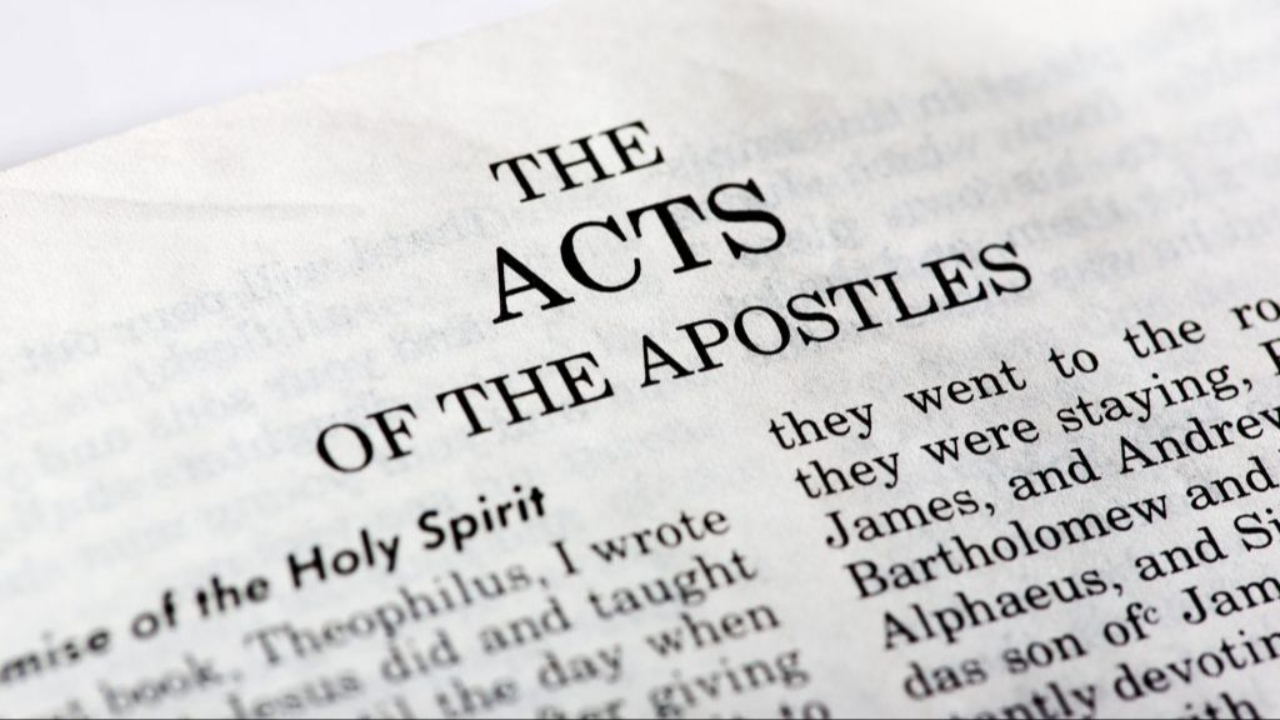
  • Acts 15: Conflict Resolution in Church Renewal

    Acts 15: Conflict Resolution in Church Renewal

    Acts 15: Conflict Resolution in Church Renewal

    How the Early Church Navigated Crisis and Charted a Path for Transformation


    The room in Jerusalem crackled with tension. Jewish believers from Judea stood on one side, Gentile converts on the other, and between them stretched a chasm that threatened to split the nascent Christian movement before it could take root. The question on the table was simple in its asking but profound in its implications: Must Gentiles become Jews to follow Jesus?

    This moment—captured in Acts 15—represents one of the most critical junctures in church history. And here’s what strikes me about this ancient crisis: it mirrors every significant conflict I’ve witnessed in struggling congregations seeking renewal.

    Churches die, not because they lack conflict, but because they refuse to face it.

    The Anatomy of Crisis

    The crisis began in Antioch, where the church had become a vibrant expression of cross-cultural faith. Then certain men came down from Judea with a message that felt like a knife through the heart of this diverse community: “Unless you are circumcised according to the custom taught by Moses, you cannot be saved” (Acts 15:1).

    Watch what happened next. Paul and Barnabas didn’t smile and nod. They didn’t suggest a committee to study the issue for eighteen months. They didn’t split the church into “traditional” and “contemporary” services. Luke tells us there arose “sharp dispute and debate” (Acts 15:2).

    That phrase—sharp dispute—comes from a Greek word that means collision, clash, insurrection. This wasn’t polite disagreement over carpet color. This was fundamental conflict about the gospel itself.

    Key Insight: Churches in renewal must distinguish between preferences and principles. The Antioch leaders recognized this wasn’t about style. This was about salvation.

    The Jerusalem Model: Five Principles for Processing Conflict

    What emerged from this crisis provides a template for conflict resolution that remains as vital today as it was two millennia ago.

    1. Escalation Through Proper Channels

    The church appointed Paul, Barnabas, and others to go to Jerusalem. They didn’t take to social media. They didn’t organize competing factions. They moved the conflict into a structure designed to handle it.

    In church revitalization, this principle translates to creating clear pathways for processing disagreement. When conflict arises—and it will—leaders must establish forums where difficult conversations can occur with wisdom present in the room.

    2. Comprehensive Listening

    The Jerusalem council gathered. Then something remarkable happened: they listened. Acts 15 describes multiple speakers:

    • Paul and Barnabas shared their missionary testimony
    • Peter recounted his experience with Cornelius
    • James synthesized theological reflection with pastoral wisdom

    Notice the pattern. Experience spoke. Scripture spoke. Leadership spoke. The council created space for multiple perspectives, not to achieve compromise, but to discern truth.

    I’ve watched dying churches transform when leaders stopped defending positions and started asking questions. “What is God doing?” becomes more powerful than “What do we prefer?”

    3. Scripture as the Authoritative Voice

    James didn’t settle the debate with popular vote or emotional appeal. He turned to the prophets: “The words of the prophets are in agreement with this” (Acts 15:15). Then he quoted Amos 9, showing how God’s ancient promise included the Gentiles.

    Churches seeking renewal must anchor decisions in biblical truth, not cultural preference. This requires leaders who know Scripture well enough to apply it with wisdom, not just quote it with certainty.

    4. Spirit-Led Consensus

    The council reached a decision they described this way: “It seemed good to the Holy Spirit and to us” (Acts 15:28). That phrase deserves careful attention. The Spirit led. The community discerned. Both moved together.

    This isn’t democratic process or autocratic decree. It’s pneumatic discernment—leadership listening for God’s voice through Scripture, prayer, conversation, and the recognition of where God is already at work.

    5. Clear Communication

    The council drafted a letter. They sent representatives—Judas and Silas—to deliver it in person. They ensured the message reached every affected congregation. No ambiguity. No whisper campaigns. Clear, direct, gracious communication.

    Churches in conflict often suffer from communication failure more than theological disagreement. The Acts 15 model demands clarity: here’s what we’ve decided, here’s why, here’s what it means for you.

    The Letter’s Wisdom: Balancing Freedom and Sensitivity

    The council’s decision liberated Gentile believers from Jewish ceremonial law while asking them to abstain from four practices: food sacrificed to idols, blood, strangled animals, and sexual immorality.

    This balance reveals strategic genius. The council protected gospel freedom (no circumcision required) while honoring cultural sensitivity (respect Jewish scruples about food). They distinguished between theological essentials and cultural applications.

    For churches in renewal, this principle becomes critical. What must we preserve? What can we release? Where does the gospel demand change, and where does love require patience?

    Personal Reflection: When Conflict Becomes Catalyst

    I remember sitting in a church board meeting where the tension felt thick enough to cut. The congregation was declining. Resources were shrinking. And two visions for the future stood in stark opposition. One group wanted to preserve tradition. Another group wanted to embrace innovation.

    The temptation was to split the difference, to find some middle ground that would satisfy everyone and change nothing. But as we studied Acts 15 together, something shifted. We stopped asking “Who will win?” and started asking “What is God doing?”

    That question changed everything. We created space to listen—to Scripture, to each other, to the Spirit’s movement in our community. The process took months. It required humility. It demanded that some people release cherished preferences.

    But when we emerged, we had clarity. Not everyone agreed with every decision, but everyone understood the direction. And that clarity became the foundation for genuine renewal.

    Implications for Church Revitalization

    The Acts 15 model challenges contemporary assumptions about conflict in churches seeking renewal:

    First, healthy churches don’t avoid conflict; they process it with wisdom. The issue isn’t whether conflict will arise during revitalization—it will. The issue is whether leaders have the courage and skill to navigate it.

    Second, renewal requires theological clarity. The Jerusalem council didn’t succeed because they were nice to each other. They succeeded because they grounded their decision in Scripture and discerned God’s activity.

    Third, process matters as much as outcome. How the council reached their decision was as important as what they decided. They created a model that built trust, honored dissent, and moved toward consensus.

    Fourth, implementation requires communication. The council didn’t just make a decision and assume everyone would understand. They drafted a letter, sent representatives, and ensured the message reached every congregation.

    Practical Framework for Processing Conflict in Renewal

    Based on the Acts 15 model, churches in revitalization can implement this framework:

    Phase One: Recognition Acknowledge the conflict without minimizing its significance. Name the issue with precision. Is this about preference or principle? Style or substance?

    Phase Two: Elevation Move the conflict into appropriate structures. Identify wise leaders who can facilitate difficult conversation. Create space for comprehensive listening.

    Phase Three: Discernment Ground the conversation in Scripture. Share testimonies of where God is working. Listen for the Spirit’s direction through prayer, study, and conversation.

    Phase Four: Decision Reach clarity about direction. Articulate both what will change and what will remain constant. Distinguish between theological essentials and cultural applications.

    Phase Five: Communication Draft clear statements about decisions and their rationale. Ensure every affected person receives the message. Answer questions with patience and grace.

    The Gift of Conflict

    Here’s what I’ve learned through years of walking with churches through renewal: conflict, when processed well, becomes a catalyst for transformation.

    The Acts 15 crisis could have destroyed the early church. Instead, it clarified the gospel, strengthened leadership, and propelled mission. The church emerged from conflict with greater clarity about identity and deeper commitment to purpose.

    Churches avoiding conflict aren’t protecting unity; they’re postponing crisis. Sooner or later, the unaddressed issues surface. And when they do, the congregation lacks both the practice and the framework to navigate them.

    But churches that embrace the Acts 15 model discover something powerful: conflict, processed with wisdom, builds the theological muscle and relational trust required for sustained renewal.

    Conclusion: The Way Forward

    The church in Jerusalem faced an existential crisis. Would the gospel remain a Jewish sect, or would it become a global movement? The answer came through leaders willing to face conflict, process it with wisdom, and follow where the Spirit led.

    Churches today face similar moments. Will we preserve comfortable patterns, or will we pursue God’s mission? Will we avoid difficult conversations, or will we create structures to process them well?

    The Acts 15 model doesn’t guarantee easy answers. It does provide a tested path through crisis toward renewal. And in a time when many congregations face decline, that path might be the most valuable gift we could receive.

    The question isn’t whether conflict will come to churches seeking renewal. The question is whether we’ll have the courage to face it, the wisdom to process it, and the faith to follow where it leads.

    Sometimes, the road to vitality runs straight through crisis. Acts 15 shows us how to walk that road with confidence, clarity, and hope.

    Originally published on the Church Vitality Network.

  • The Bible Crisis: A Call for Revival in Our Churches

    The Bible Crisis: A Call for Revival in Our Churches

    Church leader, we face a crisis. The latest State of the Bible research reveals that one in four Americans now views Scripture as “just another book.” Think about that reality. In your ministry this week, a quarter of the people you serve might doubt the transformative power of God’s Word. Among the non-religious—those researchers call “Nones”—the numbers grow even more stark: 60 percent dismiss the Bible as just another human book, while half believe Scripture exists to control and manipulate.

    This isn’t just statistics, it’s a spiritual emergency demanding immediate action from every leader in the body of Christ.

    The Battle for Biblical Authority

    The numbers tell a sobering story. While 36 percent of Americans still trust the Bible’s accuracy, 39 percent disagree with its truth claims. Even more troubling, 18 percent believe Scripture exists to control and manipulate people. We’re losing the battle for biblical authority in our culture, and the consequences reach into every corner of society.

    Consider what this means for your ministry. The teenager in your youth group hears professors mock Scripture. The young couple in your small group consumes media that portrays the Bible as outdated mythology. The businessman on your elder board faces colleagues who dismiss biblical ethics as primitive. The battle for biblical authority isn’t abstract—it’s personal, immediate, and happening in the lives of people you shepherd.

    Yet hope remains brilliant and undeniable. Despite the skepticism, 148 million adults—58 percent of Americans—testify that the Bible has transformed their lives. These people experienced genuine change through Scripture. They know its power. They’ve felt its truth reshape their hearts, minds, and destinies. Some transformations might seem small, while others are revolutionary, but 148 million people willingly declare that God’s Word has changed them.

    Your role as a leader positions you to champion this transformation.

    Trust Follows Scripture Engagement

    The research reveals a profound finding: Scripture-engaged individuals exhibit higher levels of interpersonal trust. While only 23 percent of Scripture-disengaged adults exhibit high interpersonal trust, that number increases to 35 percent among those who engage with God’s Word. They trust others more. They extend grace. They practice the love Christ commanded.

    John Plake, chief innovation officer at the American Bible Society, notes that “those who read and apply the Scriptures are trying to practice Christian love by thinking the best of people, by giving them the benefit of the doubt, by trusting them.”

    When people delve deeply into God’s Word, transformation occurs not only in their spiritual lives but also in their relationships, communities, and entire worldview. Scripture-engaged individuals tend to trust their families more, support religious institutions, and navigate trauma with greater resilience. The research shows that while assault and abuse damage trust, those grounded in Scripture find pathways to healing that others miss.

    This is the revival we need. This is the path forward. And it requires every leader, elder, deacon, teacher, youth director, small group facilitator, worship leader, and administrator to take action.

    Practical Steps for Church Leaders

    Champion Bible Reading in Your Sphere: Whatever your role, whether on the elder board, worship team, or children’s ministry, make Scripture a central focus. Start meetings with substantive Bible reading, not token verses. Share passages that shape your decisions. Let people see leaders who treasure God’s Word. If you lead the finance committee, open with Proverbs. If you coordinate volunteers, begin with passages about service. Make Scripture the foundation, not the garnish.
    Equip Those You Lead: Teach basic Bible study methods in your area of influence. Youth leaders show teenagers how ancient texts answer modern questions. Sunday school teachers give parents tools for family devotions that work with squirming children and tired parents. Elders, ensure new believers receive Bible study training within their first month. Women’s ministry leaders create mentorship programs that pair mature believers with those eager to grow.

    Create Scripture-Centered Environments. Small group leaders, make Bible discussion the heartbeat of your gatherings, not the prayer requests that consume entire meetings. Ministry coordinators weave Scripture through every program, event, and initiative. Worship leaders, choose songs rich with biblical truth rather than repetitive choruses with shallow theology. Children’s ministry directors, help kids memorize Scripture that will anchor them through teenage years and beyond.

    Address Doubts Without Fear. People carry questions about biblical reliability and pretending those doubts don’t exist won’t make them disappear. Welcome these conversations. Point to archaeological evidence, manuscript reliability, and historical verification. Share resources from scholars who defend Scripture’s trustworthiness. Create safe spaces for honest dialogue. Remember: every skeptic who finds answers becomes a powerful advocate for truth.

    Share Your Personal Journey: Tell your small group how Scripture guided you through a difficult time, such as job loss, divorce, or a diagnosis. Let your Sunday school class hear how specific verses changed your parenting, marriage, or career choices. Make Bible reading personal and practical. People need to see that leaders struggle, doubt, and find answers in Scripture just like they do.
    Bridge Scripture to Daily Life The research shows trauma impacts trust, with assault and abuse creating deep wounds. People in your ministry carry these scars. Whether you lead recovery groups, prayer teams, or discipleship classes, show them how God’s Word speaks to real pain with real hope. Connect ancient wisdom to modern struggles. Make Scripture relevant to Monday morning, not just Sunday service.

    Your Leadership Moment

    Revival starts when God’s people return to God’s Word. History proves this pattern without exception. The Reformation erupted when Luther translated Scripture into the common language. The Great Awakening sparked when Wesley and Whitefield proclaimed biblical truth. Every genuine spiritual renewal began with believers rediscovering Scripture’s power. And every revival required courageous leaders at every level, not just the famous preachers, but the faithful servants who taught, encouraged, and modeled biblical living.

    The American Bible Society research confirms what we sense in our spirits: our culture desperately needs biblical revival. The challenge is clear. The opportunity is unprecedented. Will you lead your people back to the Word?

    Read more at sotb.americanbible.org

    Originally published on the Church Vitality Network.