
Vitality Catalyst · Church Revitalization Coach

Blog

  • The Van That Changed Everything: Lessons from My First Steps in Ministry

    The Van That Changed Everything: Lessons from My First Steps in Ministry

    Life has a way of preparing us through unexpected encounters. Looking back at my twenties, fresh out of the Marine Corps at 26 years old and stepping into ministry for the first time, I see God’s hand orchestrating moments that would shape my entire calling.

    The Transition
    Three months of saved leave stretched before me—a bridge between military service and my next chapter at Bethel College, and then starting my new Youth Pastor role in Northern Virginia. I thought I knew my path: missions and ethnomusicology. God had different plans.

    At Bethel, I met Jason Harms, a young jazz professor close to my age who was beginning his own journey in academia. I was stepping off the music field as a professional percussionist. Jason extended an invitation that seemed simple enough: “Come to our morning prayer meeting at my church.”

    I said yes. I had no idea what I was stepping into.

    The White Van Moment
    When that white van pulled up at 6:30 AM, Bible in hand, I climbed in, wondering what I had gotten myself into. The drive felt routine to Jason, but for me, every mile carried anticipation mixed with uncertainty.

    Walking into that church building, I encountered something my limited Christian experience hadn’t prepared me for. People knelt in prayer throughout the lobby. The atmosphere carried weight—holy, serious, intentional.

    I felt out of place. My discipleship had been minimal. My prayer life, basic at best. Everyone around me seemed to move in a spiritual rhythm I couldn’t match.

    The Voice That Shattered Me

    Then one man began to pray.

    I had never heard anything like it. His words carried authority, tenderness, and depth that reached places in my soul I didn’t know existed. Scripture flowed from his mouth like a river—verse after verse woven into intercession that sounded less like petition and more like conversation with the Almighty.

    Brokenness washed over me. Tears came without warning. In that moment, desperate and raw, I cried out silently: “God, help me pray like that.”

    I wasn’t praying during that meeting—I was listening to what felt like a sermon delivered on bent knees. The passion, the knowledge of Scripture, the intimate familiarity with God’s character—it was everything I longed for but didn’t know how to pursue.

    The Introduction
    When the prayer time ended, Jason walked me over to the man whose prayer had undone me.
    “Gary, I want you to meet my pastor. This is Pastor John.”

    Standing before him, I felt a mix of intimidation and awe. This wasn’t just a gifted pray-“er”. This was a shepherd whose heart burned for God in ways I had never witnessed.

    Jason began showing me around, sharing the church’s initiatives, highlighting sermons and books this pastor had written. With each revelation, my amazement grew. Here was passion unlike anything I had encountered—pure, focused, and transformative.

    The Gospel in the Streets
    During my three months there, I attended an event that crystallized everything I was experiencing. The worship team led with mission-focused intensity while this pastor preached as streets closed around us. The Gospel thundered through massive speakers, reaching into downtown corners and hearts alike.

    I kept asking myself: “What is happening here?”

    This was ministry with power, purpose, and uncompromising commitment to God’s Word. Every Sunday deepened my hunger for this kind of authentic, passionate service. At this church, I studied about Edwards, Bunyan, World Missions, and my church history grew from the heroes of old. I listen to sermons on CDs and read sermons preached years before I arrived. 

    The Gift That Kept Giving
    Before I left, Jason shared news that seemed too good to be true: his pastor was transitioning to digital formats and clearing out file cabinets full of sermon manuscripts. Anyone who wanted them could take them.

    I took everything I could carry.

    Jason also arranged for me to receive all of the pastor’s books at no cost. The generosity overwhelmed me, but the treasure I was receiving went far beyond material gifts.

    The Heart That Stayed Behind
    Flying back to begin my role as a youth pastor, newly married and stepping into ministry partnership with my wife, I carried something precious: a transformed understanding of what passionate ministry could look like.

    My heart kept returning to those three months. The prayer meetings, the preaching, the encounters with God’s character that left me hungry for more—these experiences had marked me permanently.
    I knew I was beginning a new journey with my bride, but part of me remained in that sanctuary where I first heard someone pray like Jesus was listening just a breath away.

    The Revelation
    That pastor was John Piper. The church was Bethlehem Baptist.

    Without knowing it, I had stumbled into a masterclass in passionate, Scripture-saturated ministry. Those three months became the foundation for everything that followed in my calling.

    The Lessons That Last
    Looking back, I see how God used that season to teach me truths that continue shaping my ministry today:

    Authentic prayer transforms both the one praying and those listening. That morning in the sanctuary, I learned that intercession could be worship, teaching, and intimate conversation all at once.

    Passion for God’s Word creates unshakeable ministry foundations. Watching Pastor John weave Scripture into everything—prayers, sermons, daily conversation—showed me what it means to be saturated with God’s truth.

    Divine appointments come disguised as ordinary invitations. Jason’s simple offer to join a prayer meeting became a defining moment in my spiritual journey.

    Generosity multiplies ministry impact. The sermons and books I carried home in two LL Bean duffel bags became tools that shaped not just my own growth but the lives of young people I would minister to for years. Jason became a figure that would stick with me in my thoughts on the power of inviting.

    God prepares us through unexpected encounters. My Marine Corps background and limited Christian experience didn’t disqualify me from profound spiritual encounters—they made me hungry for authentic transformation.

    The Continuing Journey
    That three-month season ended over twenty years ago, but its impact continues today. Every time I prepare a sermon, lead a prayer, or seek to kindle passion for God in others, I remember the man who prayed like he was talking to Jesus himself.

    Sometimes God’s greatest gifts come wrapped in early morning van rides and moments when we feel completely out of our depth. I am so thankful to Jason for the invitation. Those three months taught me that being in over your head often means you’re exactly where God wants you.

    The prayer that changed everything wasn’t mine—it was the one I heard that broke me open and created space for God to plant seeds of passionate ministry that are still growing today.

    What unexpected encounters has God used to shape your calling? Sometimes the most ordinary invitations lead to the most extraordinary transformations.


    Originally published on the Church Vitality Network.

  • Think Twice Before You Talk About Churches in New England

    Think Twice Before You Talk About Churches in New England

     When it comes to churches in North America, the instinct is often to generalize: the “typical church” is assumed to look a certain way—medium to large, active, and growing. That assumption works fine in the South or the Midwest. But in New England, it can lead you straight into misunderstanding.

    Churches here are different. Small is normal. Long histories, modest numbers, and deep community roots are the rule, not the exception. In fact, labeling a New England church as “normative” can be perceived as dismissive. Many pastors take pride in their small congregations, where intimacy and faithful ministry outweigh numbers.

    New England also presents a unique cultural and spiritual landscape. It is a region more secular, more liberal, and often more skeptical of organized religion. Many adults are familiar with the stories of the Bible but haven’t fully grasped the gospel itself. Here, vitality isn’t measured by parking lot size or social media presence—it’s measured by faithful discipleship, sacrificial ministry, and endurance across generations.

    Language matters. Words like “normative” or “average” carry unintended connotations. When speaking to pastors or church members in New England, referring to their congregation as “typical” risks implying it is ordinary—or worse, failing to do so. That’s not just inaccurate; it can be demoralizing.

    Church leaders and writers must exercise contextual sensitivity. Here are a few principles to keep in mind:

    1. Know the history. Many churches have been around for centuries. Numbers alone do not measure impact; historical resilience and faithful ministry do.
    2. Respect the culture. Comparing New England churches to evangelical strongholds can be misleading. Context matters.
    3. Measure wisely. Attendance or growth figures tell part of the story. Spiritual depth, community influence, and gospel-centered ministry matter far more.
    4. Choose words carefully. Avoid terms that suggest mediocrity. “Normative” may work in reports, but in conversation, it can alienate leaders who are pouring their lives into small, faithful communities.
    5. Focus on the gospel. Many congregations face a gospel deficit. Conversations about church health should start with spiritual vitality, not numbers alone.

    The reality? A 100-person church in New England might be doing far more kingdom work than a 500-person church elsewhere. Vitality here is quiet, steady, and deeply relational. It’s the type of ministry that doesn’t always show up in charts or conferences, but it matters more than any trend report.

    So, the next time you write, teach, or speak about churches in America, remember: New England is different. Don’t impose models from other regions. Don’t measure success by size alone. And most importantly, never underestimate the impact of a faithful, gospel-centered congregation—even if it fits the statistical definition of “small.”

    When we speak with precision, humility, and insight, we honor not only the numbers but also the people, the history, and the mission of the church. And in a region like New England, that’s exactly what ministry and leadership require.


    Originally published on the Church Vitality Network.

  • From Programs to People: Bridges to the Unchurched Through Relational Discipleship

    From Programs to People: Bridges to the Unchurched Through Relational Discipleship

    The numbers tell a story that should both encourage and challenge us. When Church Answers Research surveyed the unchurched in 2024, they discovered something remarkable: 32% said they would start attending church to grow spiritually, and 22% said they would come if someone invited them. ¹ These aren’t people hostile to faith—they’re people waiting for connection.

    The churched people tell a similar story. When asked what prompted them to attend their current church, 41% said someone invited them. ² This data reveals a truth that should transform how we think about reaching our communities: the bridge between church and unchurch is built through relationships, not programs.

    The Great Shift: From Pragmatic to Relational

    Churches pursuing revitalization must make a fundamental shift. The pragmatic approach—focusing on better programs, more services, and slicker presentations—has created consumers, not disciples. The relational approach creates followers of Jesus who become ambassadors to their communities.

    Jonathan Haidt’s groundbreaking research in The Anxious Generation provides compelling evidence for why this shift matters now more than ever. His study reveals that our culture suffers from four core problems: social isolation, sleep deprivation, fragmented attention, and digital addiction. ³ The “phone-based childhood” has replaced the “play-based childhood,” leaving people disconnected and hungry for authentic community. ⁴

    This cultural reality creates an unprecedented opportunity for churches. While society fragments, the local church can become the place where people experience what they’re missing: genuine relationships, uninterrupted time together, and communities that foster growth and belonging.

    The Unchurched Are Waiting

    The Church Answers data shatters common misconceptions about why people don’t attend church. The unchurched aren’t too busy (only 15% cited this reason), and they don’t hate the church (only 16% mentioned bad previous experiences). ⁵ They’re indifferent. They’ve simply gotten out of the habit or don’t see church as necessary.

    This indifference represents hope, not hopelessness. Indifferent people can be reached through authentic relationships. Hostile people cannot. The fact that 22% of unchurched people would attend if someone invited them means millions of Americans are one conversation away from engaging with a local church.

    But here’s the key: they’re not waiting for programs or events. They’re waiting for people.

    Building Relational Discipleship Environments

    Churches committed to revitalization must create environments where relationships flourish. The 2025 National Disciple Making Forum research identifies churches that excel at this transformation. These churches share common characteristics: they focus on intentional, relational disciple making as their core mission, maintain simple and reproducible models, and align everything around relational discipleship. ⁶

    The Community Connection

    Haidt’s research shows that children need communities and unstructured play time to develop lasting relationships. ⁷ Adults need the same thing. Churches must create spaces where people can connect without the pressure of structured programming. Coffee hours that extend beyond fifteen minutes. Small groups that prioritize relationship building over curriculum completion. Service projects that allow conversation and connection.

    The Invitation Culture

    Since both churched and unchurched people attend primarily because someone invited them, churches must become invitation cultures. This means training every member to see themselves as an ambassador, not just the pastoral staff. It means celebrating invitations, not just conversions. It means creating environments so compelling that members want to bring their friends.

    The Discipleship Pathway

    Lifeway Research confirms that discipleship remains central to church revitalization. ⁸ Discipleship must be relational, not just educational. The pathway from visitor to mature disciple should be marked by deepening relationships, not just completed classes. Mentoring relationships, accountability partnerships, and life-on-life discipleship create the relational fabric that attracts and retains people.

    The Play Factor

    One of Haidt’s most significant insights is the importance of play in human development and relationship building. Churches that prioritize “play time” for adults—fun events, recreational activities, and informal gatherings—create the conditions where relationships naturally develop. These environments mirror the unstructured play that children need but that our phone-based culture has eliminated. ⁹

    Consider implementing:

    • Monthly game nights or recreational activities
    • Service projects that feel more like community events
    • Informal gathering spaces before and after services
    • Small groups that balance study with social connection

    Making the Cultural Switch

    The cultural shift from pragmatic to relational requires intentional leadership decisions:

    Leadership Development: Train leaders to prioritize relationships over programs. Measure success by relationship depth, not attendance numbers.

    Space Design: Create environments that encourage conversation and connection. Comfortable seating areas, coffee stations, and gathering spaces matter more than impressive stages.

    Time Structure: Build margin into schedules. Rush kills relationships. Allow time for conversations before and after services, during small groups, and at church events.

    Member Training: Equip members to build relationships with unchurched people in their networks. Provide practical tools for invitations and conversations about faith.

    The Revitalization Opportunity

    The convergence of cultural isolation and spiritual hunger creates an unprecedented opportunity for church revitalization. As Haidt documents, people are desperately seeking what churches can provide: authentic community, meaningful relationships, and purpose beyond themselves.

    Churches that make the shift from pragmatic programming to relational discipleship will find themselves uniquely positioned to reach their communities. The unchurched aren’t looking for better entertainment or more convenient services. They’re looking for a connection.

    The question isn’t whether your community needs what your church offers. The question is whether your church is structured to offer what your community needs: relationships that lead to transformation.

    The Bottom Line

    The path to reaching the unchurched runs through the hearts and lives of church members who build authentic and international relationships with their neighbors, coworkers, and friends. Programs attract consumers. Relationships create disciples. In a world starving for connection, churches that master relational discipleship will experience the revitalization they seek.

    The unchurched are waiting, not for better programs, but for better relationships. The question is: are we ready to build the bridges that will bring them home?


    Footnotes:

    1. Church Answers Research, “The Real Reasons the Unchurched Do Not Attend,” September 2024.
    2. Ibid.
    3. Jonathan Haidt, The Anxious Generation: How the Great Rewiring of Childhood is Causing an Epidemic of Mental Illness (Penguin Press, 2024).
    4. Ibid.
    5. Church Answers Research, “The Real Reasons the Unchurched Do Not Attend,” September 2024.
    6. Discipleship.org, “2025 National Disciple Making Forum: Best Practices of Disciple Making Churches,” 2025.
    7. Haidt, The Anxious Generation, 2024.
    8. Anthony Svajda, “The Role of Discipleship in Church Revitalization,” Lifeway Research, February 2023.
    9. Haidt, The Anxious Generation, 2024.


    Originally published on the Church Vitality Network.

  • Artificial Intelligence and Church Revitalization: Reaching the Next Generation

    Artificial Intelligence and Church Revitalization: Reaching the Next Generation

     The local church has always lived at the intersection of God’s unchanging truth and the ever-changing culture of the world. From the moment Paul preached in Athens, using the “unknown god” as a bridge to the gospel, the church has had to interpret culture for the sake of mission. Today, we stand at another such crossroads. Artificial Intelligence (AI) is not a passing trend—it is a seismic cultural shift that is shaping the worldview, habits, and expectations of Generation Z.

    For churches engaged in revitalization, this reality demands urgent attention. Revitalization is about rediscovering the church’s mission, reengaging communities, and reproducing disciples. To ignore AI is to ignore the very cultural language of the next generation. To fear AI is to miss its redemptive potential. To embrace it wisely is to equip a generation to live out the gospel in a world reshaped by algorithms.

    Let’s explore how AI intersects with church revitalization and how we can reach Gen Z with timeless truth in a rapidly changing world.

     Gen Z and AI: A Cultural Snapshot

    The Gallup-Walton Family Foundation’s 2025 report, Voices of Gen Z: Preparing the Heartland for an AI Future, offers critical insights into how young people are engaging AI. More than three-quarters (77%) of Gen Z in the Heartland states have used generative AI, and 43% use it at least weekly. Among high schoolers, that number climbs to 55%.

    Yet while adoption is high, preparedness is low. Only 10% of K-12 students in the Heartland believe their teachers have prepared them to use AI in future jobs. Similarly, only 9% of Gen Z workers feel “extremely prepared” to use AI in their current roles. Most workplaces and schools lack clear policies or training. Over half of Gen Z employees say AI either “does not exist” for their work or that their employer has no clear AI policy.

    This disconnect is striking: Gen Z is experimenting with AI daily, while their institutions lag behind. The result is both opportunity and anxiety. Nearly one-quarter (23%) of students express worry about how AI will affect their future. At the same time, about half (51%) of students say they would be interested in a class that taught them how to use AI. Jeff Reed from the church.digital and I had a similar conversation in 2023 about who will educate robots.

    For the church, these statistics reveal a mission field that is often overlooked: a generation deeply immersed in AI, curious about its possibilities, yet longing for wisdom and guidance.

    Why This Matters for Church Revitalization

    Revitalization is not about chasing trends. It’s about helping churches rediscover their biblical mission and respond to the realities of their community. AI is one of those realities.

    Here are three key intersections between AI and revitalization:

    1. Cultural Exegesis: Understanding Gen Z’s World

    Paul told the Corinthians, “I have become all things to all people, that by all means I might save some” (1 Cor. 9:22). That call still applies. To reach Gen Z, we must understand their daily lives. And for many, AI is already an integral part of their daily rhythm.

    The Gallup-Walton study found that more than four in ten Gen Zers in the Heartland use AI on a weekly basis. High school students are the most active adopters, with over half engaging in the activity weekly. This means that when pastors preach, when youth leaders disciple, and when churches evangelize, they are speaking to young people who are already experimenting with AI as a normal part of their lives.

    Ignoring this is like ignoring the printing press in the Reformation or the internet in the 1990s. Revitalization requires cultural fluency. If AI is shaping the questions Gen Z asks, then the church must be prepared with gospel answers.

    1. Discipleship in an AI Age

    AI is not just a tool—it’s a worldview shaper. Young people are using it for homework, creativity, and problem-solving. Yet few have guides to navigate its ethical and spiritual implications.

    Consider these discipleship questions:

    • What does it mean to pray when AI can answer questions instantly?
    • How do we discern truth in a world where AI “hallucinations” present falsehoods as fact?
    • How do we resist the temptation to outsource wisdom to algorithms rather than the Spirit of God?

    Only 10% of students say their teachers are preparing them for this reality. That leaves a discipleship gap that the church is uniquely positioned to fill. Revitalized churches can be centers of wisdom where the next generation learns how to integrate faith and technology.

    1. Equipping for Mission

    The study also highlights the role of role models and policies. Two-thirds (66%) of students whose schools permit AI use are weekly users, compared to 44% where schools ban or ignore it. Likewise, 73% of children whose parents use AI weekly also use it weekly.

    This mirrors discipleship. Young people tend to follow the patterns set by those who lead them. What if the church became the place where Gen Z learned not just how to use AI, but why—to glorify God, serve neighbor, and share the gospel?

    Revitalization is not about making the church trendy. It’s about equipping the saints for the work of ministry (Eph. 4:12). In an AI world, which means equipping the next generation to live faithfully in their cultural context.

    Practical Pathways for Churches

    So what does this look like in practice? Here are several ways churches can engage AI as part of revitalization:

    1. Teach Biblical Discernment in a Digital Age

    Scripture is clear that wisdom is more valuable than gold (Prov. 3:13-15). Young people are being flooded with information from AI, but they need wisdom to discern truth. Sermons, small groups, and classes can address digital discernment. Imagine a youth series titled AI, Truth, and the Gospel.

    1. Equip Leaders in AI Literacy

    Pastors don’t need to become AI experts, but they must understand its basics. Church leaders can take workshops or webinars to learn how AI affects communication, ethics, and discipleship. The goal is not fear but faithful stewardship.

    1. Model Healthy AI Use

    Churches can utilize AI transparently—for sermon research, administrative tasks, or communication purposes. Doing so with integrity models to Gen Z that technology can be stewarded, not worshiped.

    1. Create Intergenerational Mentorship

    Pair tech-savvy Gen Z students with older members for “reverse mentoring.” Students can teach digital skills, while older believers impart biblical wisdom. This builds unity and discipleship across generations.

    1. Serve the Community as a Training Center

    Just as schools are failing to prepare students for AI, the church can step into the gap. Hosting workshops on digital ethics, AI and creativity, or faith-and-tech integration could bless the community and reestablish the church as a trusted leader.

    The Missional Lens

    AI also raises deep missional questions. The Gallup-Walton report reveals that less than half of Gen Z workers (47%) believe AI gives employees an advantage. Many are skeptical about its value. This skepticism creates a space for the gospel: a reminder that hope and security are not found in technology but in Christ.

    Paul’s words in Colossians 1:17—“He is before all things, and in him all things hold together”—remind us that no algorithm sustains the universe. Only Christ does. When young people express anxiety about AI, the church can offer the peace of the gospel.

    A Call to Courageous Engagement

    Church revitalization is about courage—courage to face decline honestly, courage to return to first love, and courage to engage the future with faith. AI will reshape education, work, relationships, and ministry. But it will never replace the church’s calling to make disciples of all nations.

    If Gen Z is already living in an AI-shaped world, then the revitalized church must be present there too—not to conform but to transform. The opportunity is vast: to disciple a generation that longs for wisdom in a world of information, truth in a world of noise, and eternal hope in a world chasing innovation.

    The local church has always been God’s plan A for reaching the world. And in this moment, AI is not a threat to that mission—it is a context for it.

    The Gospel is still the power of God.

    Artificial intelligence is transforming the way people learn, work, and connect. For Gen Z, it is already part of daily life. The church cannot afford to ignore this. Revitalization requires us to understand the times and know what to do (1 Chron. 12:32).

    The gospel is still the power of God for salvation. But the context in which we proclaim it is shifting. AI represents both a challenge and an opportunity. For revitalized churches, the choice is clear: embrace the challenge, engage the culture, and equip the next generation for faithful witness in an AI world.

    If we do, we will not only reach Gen Z, but we will raise up a generation of disciple-makers who know how to live wisely and missionally in the age of algorithms.


    Originally published on the Church Vitality Network.

  • Rising Again to Vitality: Understanding Job’s Friends and Leadership

    Rising Again to Vitality: Understanding Job’s Friends and Leadership

    Every leader who steps into revitalization knows what it feels like to sit in the ashes. Things look broken. People walk away. People talk about you. Criticism comes fast, solutions come slow, and sometimes you’re left wondering if God has forgotten your name. That’s why the book of Job is so compelling for leaders today. It’s not just about one man’s suffering; it’s about the voices that surround him.

    Job had friends. They showed up. They meant well. And they remind us of the very voices leaders face in seasons of revitalization. If you’re not careful, you’ll let the wrong voices define your future.

    The Power of Presence Before Words

    For seven days, Job’s friends sat with him in silence (Job 2:13). That was their most incredible gift. They entered his pain without rushing to fix it. Leaders, this is where revitalization starts—sitting with your people, grieving the losses, feeling the weight of decline without pretending everything is fine. Presence is more potent than platitudes.

    Eliphaz: The Elder Stuck in Yesterday

    Eliphaz leaned on tradition and his own experience. He wasn’t cruel, but he was rigid. His message: “Job, you must have sinned. Just repent and return to the old ways.”

    Every revitalization leader meets Eliphaz. These are the voices calling for yesterday’s methods, yesterday’s songs, yesterday’s programs. Honor the past, but don’t worship it. Vision doesn’t come from nostalgia; it comes from God’s Spirit breathing fresh life into the future.

    Leadership Principle: Respect tradition but lead with revelation.

    Bildad: The Harsh Traditionalist

    Bildad was blunt, even cruel. He told Job his children’s death was because of sin. That’s not comfort, that’s condemnation.

    In revitalization, Bildad shows up in board meetings and hallway conversations. The voice that says, “The church is dying because of them … because of him … because of her …” Harsh blame kills vitality.

    Leadership Principle: Replace blame with grace. Point forward, not backward.


    Zophar: The Hot-Headed Critic

    Zophar was impatient and harsh. He basically said, “Job, you deserve worse than you got.” Every leader in revitalization has met a Zophar. Critics who cut deep, speak without grace, and forget the humanity of the leader.

    But here’s the truth: leaders don’t grow by listening to every critic. They grow by listening to the right ones.

    Leadership Principle: Filter the voices. Don’t give critics more weight than God’s calling.

    Elihu: The Young Firebrand

    Elihu waited until the elders spoke, but then his words poured out like fire. He wasn’t perfect, but he offered a fresh angle: God uses suffering not just as punishment, but as discipline and instruction.

    Every revitalization movement needs an Elihu. The younger voices who haven’t seen it all, but who still see something new. They may lack polish, but they carry sparks of renewal.

    Leadership Principle: Empower new leaders. Don’t just tolerate their zeal; they harness it.

    God Speaks Out of the Whirlwind

    Finally, God speaks. Job’s friends had argued themselves into circles, but only God reframed the suffering. Restoration came not from the wisdom of man but the voice of God.

    Leader, hear this: your vitality doesn’t come from rigid tradition, harsh blame, or endless criticism. It doesn’t even come from youthful zeal alone. It comes when you posture yourself to hear the voice of God.

    Lessons for Revitalization Leader

    • Be present before you prescribe. Sit with the brokenness.
    • Honor the past but lead toward the future.
    • Reject the culture of blame. Choose grace.
    • Filter the critics. Don’t let harsh voices define you.
    • Empower the next generation. Their zeal is a gift.
    • Most of all, listen to God. He is the only trustworthy source of renewal.

    Rising From the Hard Times

    Revitalization is hard. People will misunderstand you, criticize you, and resist you. But just like Job, your story doesn’t end in ashes. God still speaks, and when He does, He brings life, vitality, and restoration.

    Leader, don’t let the wrong voices hold you down. Rise again. Hear His voice. Step forward. Your greatest days of ministry may still be ahead.

    Originally published on the Church Vitality Network.
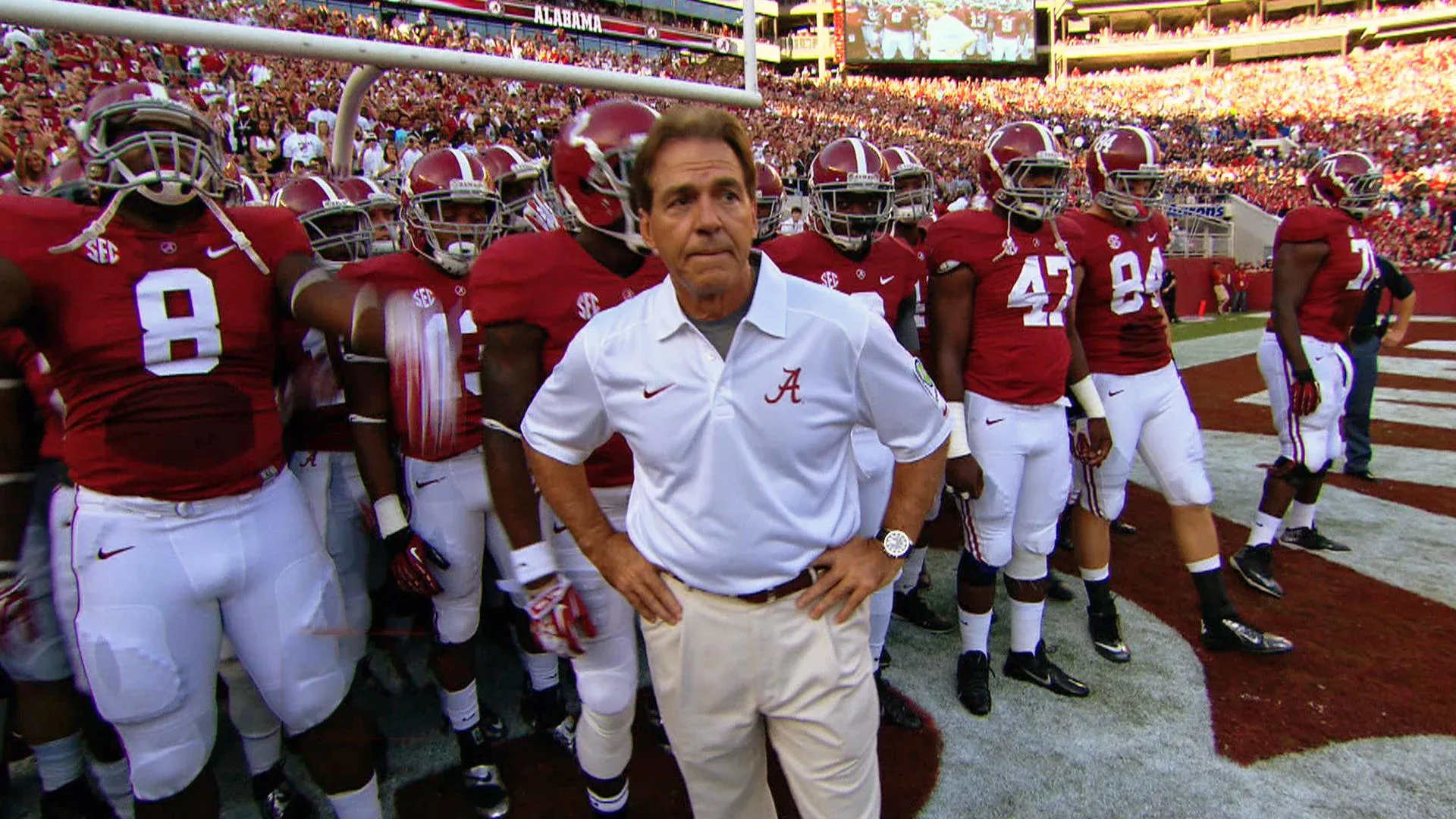
  • What Nick Saban Taught Me About Pastoral Coaching and Church Revitalization

    What Nick Saban Taught Me About Pastoral Coaching and Church Revitalization

    Championship Church Leadership: What Nick Saban Taught Me About Church Revitalization

    The Process-Driven Approach to Leading Churches from Decline to Vitality

    When Nick Saban stepped onto the stage at the Global Leadership Summit, few pastors in the audience expected to receive a masterclass in church revitalization. Yet as the legendary football coach unpacked his philosophy of transformational leadership, the parallels to effective pastoral ministry became undeniable. In a time when 7,000 churches close annually and 42% of pastors are considering leaving ministry, Saban’s championship principles offer a proven framework for leading struggling congregations back to spiritual vitality.

    The Process: More Than Motivation

    “The process is basically a definition of what you have to do to accomplish the goals that you have,” Saban explained at the Summit. This simple statement revolutionizes how pastors approach church revitalization. Instead of chasing the emotional highs of inspirational messages or hoping for sudden spiritual breakthroughs, process-driven pastors focus on the consistent, measurable steps that create lasting transformation.

    For Saban, every player’s journey began with a fundamental question: “What do you want to accomplish here?” He would then ask, “Do you know what that entails?” Most players, he discovered, were “incomplete in their answer to what they needed to do.” The same holds true in our congregations. Church members often express desires for spiritual growth, community impact, or personal transformation without understanding the concrete steps required to achieve these goals.

    The coaching approach to pastoral ministry recognizes this gap. Research shows that church members are “yearning for pastoral leaders willing to coach them into the fullness of lay ministry.” Like Saban’s players, they need someone to help them “move from where they are now to where they want to be.”

    Individual Development Creates Congregational Success

    Saban’s revelation that “there is an ‘I’ in win—and that ‘I’ stands for the individuals who make the team what it is” provides a blueprint for church revitalization. While many pastors focus primarily on programs, events, or systems, championship church leaders understand that transformation happens one person at a time.

    This individual-focused approach addresses a critical challenge in church revitalization. Studies indicate that “developing male next-generation leaders was critical to successfully revitalizing small, evangelical churches.” Just as Saban invested in each player’s personal development, pastors must commit to the slow, often invisible work of discipling individuals who will become the foundation for broader congregational renewal.

    The process requires what Saban called “self-assessment”—helping people evaluate their spiritual progress honestly. “I want you to learn how to self-assess,” he told his players, “because you’re never going to be able to improve unless you have the ability to self-assess.” This translates directly to pastoral ministry, where creating cultures of honest spiritual inventory becomes essential for growth.

    From Transactional to Transformational Leadership

    Perhaps Saban’s most profound insight for church leaders came from his admission that he was “a transactional leader for a long time.” Early in his career, he was “outcome-oriented” and “very critical, negative, and didn’t always teach very well when we lost.” This changed after a pivotal game in 1998 when he learned to focus on “one play at a time” rather than just winning.

    “That made me a transformational leader,” Saban reflected. “It was all about being somebody that somebody can emulate, setting a good example, caring enough for other people to help them, for their benefit, not my benefit.” He emphasized the crucial distinction: helping others “for their benefit, not my benefit. That’s manipulation—their benefit.”

    This shift from manipulation to genuine care mirrors the heart of effective pastoral ministry. Transformational pastors focus on developing people not for institutional success, but for their spiritual flourishing. They understand that “players don’t care what you know until they know that you care.”

    The Discipline Bridge: Choosing Over Feeling

    One of Saban’s most practical contributions to pastoral leadership lies in his framework for decision-making. He described the daily challenge every person faces: “There’s something I know I’m supposed to do that I really don’t want to do. Can you make yourself do it? And then over here, there’s something you know you’re not supposed to do, but you want to do it. Can you keep yourself from it?”

    This “feeling versus choice” dynamic explains much of what pastors observe in their congregations. Church members often say “I don’t feel like studying [the Bible]” or “I don’t feel like cleaning up my room,” as Saban noted his children would say. His response applies directly to spiritual formation: “I don’t care what you feel like doing, you have to choose to do these things to accomplish the goals that you have.”

    For pastors engaged in church revitalization, this principle becomes foundational. Research indicates that successful revitalization requires “intentional practices” and “consistent inputs that drive desired outcomes.” The feeling-versus-choice framework helps congregants understand that spiritual growth requires disciplined choices, not just emotional experiences.

    Learning from Failure: The Teaching Opportunity

    Saban’s approach to failure offers crucial insights for pastors navigating church revitalization. “People are more willing to learn, change, make sacrifices, change habits, do the work necessary to be done to improve when they were humiliated,” he observed. However, he emphasized the critical caveat: “If you teach, if you have a negative experience, and there is no teaching involved with that, it really kills morale in your organization.”

    This principle addresses one of the most challenging aspects of church revitalization—how to handle setbacks, conflicts, or failures. Rather than ignoring problems or responding with frustration, transformational pastors use difficulties as teaching moments. They help congregations understand that “every negative thing creates an opportunity” and that failure becomes valuable only when we “never waste a failing.”

    Vision Versus Circumstance: The Mental Energy Focus

    One of Saban’s most powerful illustrations for church leaders came through a story about Chuck Pagano, the Indianapolis Colts coach who faced cancer during a successful season. Pagano’s approach demonstrated the crucial leadership principle of focusing mental energy on vision rather than circumstances.

    “My vision is, I want to see my daughters grow up so I can dance at their wedding,” Pagano declared. “My circumstance is I have cancer.” Saban’s application was direct: “Where are you going to spend your energy, mental energy, relative to your circumstance, or the vision of what you want to accomplish?”

    For pastors leading churches through revitalization, this question becomes foundational. Struggling congregations often become consumed with their circumstances—declining attendance, financial pressures, aging facilities, and community changes. Transformational leaders help their churches focus mental energy on God’s vision for their future rather than being paralyzed by present challenges.

    Practical Applications for Church Revitalization

    The integration of Saban’s principles with church revitalization creates several practical strategies:

    1. Individual Development Plans: Just as Saban created specific development processes for each player, pastors can work with individual church members to identify their spiritual goals and develop concrete action steps for growth.
    2. Teaching Through Setbacks: Rather than avoiding or minimizing church problems, transformational pastors use difficulties as teaching opportunities, helping congregations learn and grow through challenges.
    3. Process-Focused Leadership: Instead of measuring success solely by attendance or offerings, process-driven churches focus on the consistent spiritual disciplines and relational investments that create long-term health.
    4. Coaching Relationships: Research shows that “utilizing a coach can make the difference between a good leader and a great leader.” Pastors benefit from both receiving coaching and developing coaching skills to use with their congregations.

    The Statistical Reality and Hope

    The current statistics for American churches present both challenge and opportunity. With six out of ten churches plateaued or declining and 300,000 churches needing significant revitalization, the need for effective leadership has never been greater.

    However, churches that embrace transformational leadership principles see remarkable results. Research indicates that churches using acquisition-based revitalization models achieve 90% success rates, while even organic revitalization shows promise when foundational leadership and behavioral changes are addressed.

    The Championship Legacy

    Saban concluded his Global Leadership Summit talk with a profound question that every pastor should consider: “Do you pray to be blessed, or do you pray to be a blessing?” He emphasized that “it’s not what you get, it’s not what you have, it’s kind of what you do with what you have.”

    This perspective transforms how pastors approach church revitalization. Rather than focusing on what their churches lack—resources, people, programs—championship leaders concentrate on maximizing what God has already provided. They understand that legacy comes not from impressive statistics but from the transformed lives that continue impacting the kingdom long after the immediate ministry is complete.

    As Saban noted about his legacy, “25 years from now, there’s still going to be kids going to this Learning Center to develop an occupation, a career.” Similarly, revitalized churches create lasting impact through the disciples they develop, the leaders they raise up, and the communities they transform.

    The Process Continues

    Church revitalization, like championship football, requires sustained commitment to the process. There are no shortcuts, no magic formulas, only the patient work of developing individuals, teaching through setbacks, and maintaining focus on God’s vision rather than temporary circumstances.

    For pastors willing to embrace the coaching approach to ministry—being “somebody that somebody can emulate” while “caring enough for other people to help them, for their benefit”—the potential for transformation is unlimited. The process may be demanding, but as Saban demonstrated at Alabama and as countless pastors are discovering in their contexts, commitment to transformational leadership principles creates the foundation for lasting, championship-level ministry impact.

    The question for every pastor is not whether their church can be revitalized, but whether they are willing to embrace the process-driven, individual-focused, transformational approach that creates sustainable spiritual vitality. As Saban learned, the difference between good and great often comes down to a straightforward choice: will you focus on winning games, or will you focus on developing champions?


    Originally published on the Church Vitality Network.
  • The Cemetery Pastor’s Guide to Intentional Evangelism: Spotlight: Ken Postle

    The Cemetery Pastor’s Guide to Intentional Evangelism: Spotlight: Ken Postle

    Church Revitalization in Historical New England – The Cemetery Pastor’s Guide to Intentional Evangelism: Spotlight: Ken Postle

    New England churches face a documented crisis. Church attendance in the region stands as the lowest in the nation, with New Hampshire (24%), Vermont (24%), Rhode Island (28%), Massachusetts (31%), and Maine (31%) reporting the most dramatic declines.¹ Empty pews stretch across sanctuaries that once overflowed with faithful congregations. Historic steeples pierce the sky over communities where church membership has fallen below 50% nationally for the first time in recorded history.² But what if the key to revitalization lies not in modern marketing strategies or contemporary worship formats, but in the very soil beneath our feet?

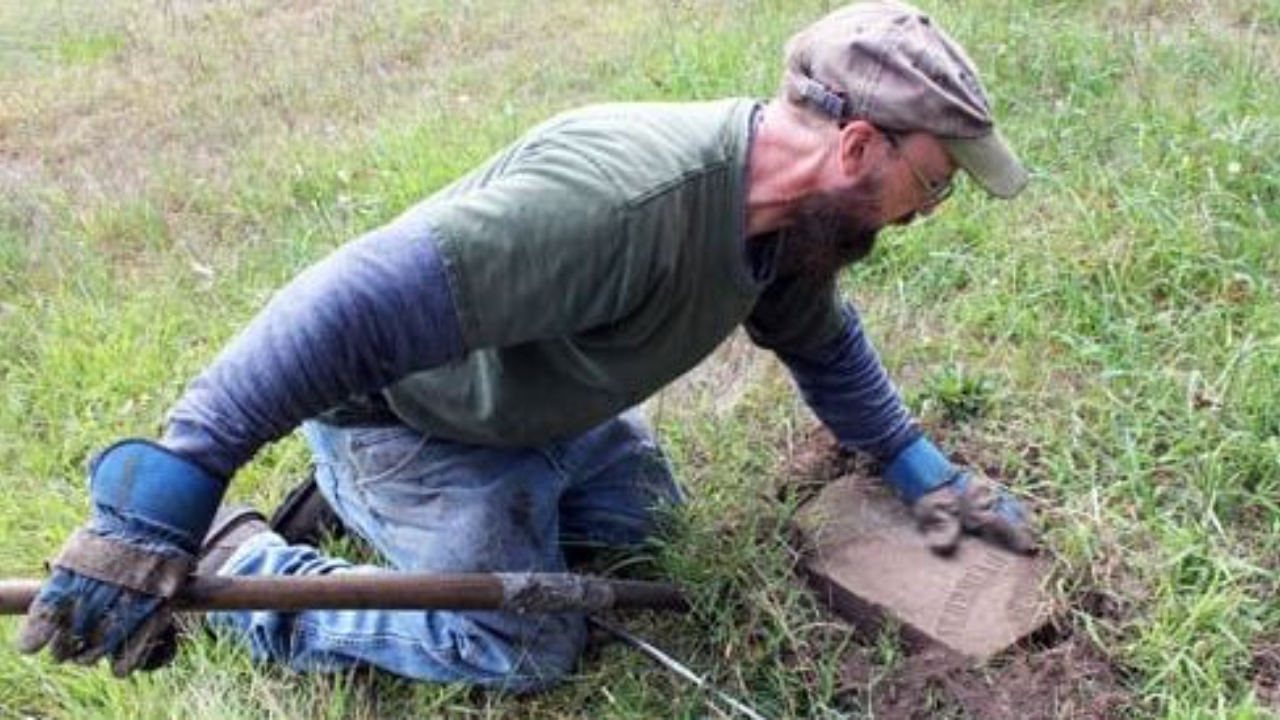
    Meet Ken Postle, the “Cemetery Pastor” whose unconventional approach to evangelism is breathing new life into both forgotten graveyards and forgotten faith. In 2010, during a time of widespread unemployment, Ken Postle assembled a group of twelve teenagers through a city grant to restore a Civil War cemetery that had become a dumping ground for abandoned cars. What began as a community service project evolved into something far more profound—a masterclass in intentional evangelism that every pastor should study.

    Ken Postle’s battle with city officials over the misappropriation of perpetual care funds thrust him into the public eye. The media attention that followed his restoration efforts exposed decades of corruption, but it also opened doors that no traditional church outreach program could have unlocked. The State cemetery chair offered training and support. Donations poured in from unexpected sources. The Blackstone Valley Historical Society invited him to speak, leading to presentations in dozens of classrooms, award ceremonies, and speaking events across the region.

    This wasn’t an accident—this was intentional evangelism in action.

    Through cemetery restoration, Ken Postle has worked in over 100 different cemeteries and discovered a dozen lost burial grounds and hundreds of forgotten headstones. He has uncovered unknown veterans, Native American burial sites, and historical treasures that tell the story of faith in early America. More importantly, he has worked with over 1,000 school children and Scout groups, using flag placement ceremonies to share the Gospel through abolitionist history and resurrection hope. Research shows that engaging youth in preservation work creates lasting connections to cultural heritage and community values.³

    Ken Postle’s approach centers on a simple yet profound truth: early Protestant settlers in Rhode Island faced their dead eastward, aligned to rise when Christ returns from the east to the west. This physical expression of resurrection faith naturally serves as a bridge to Gospel conversations with academics, reporters, and community members who might never step inside a church building.

    The breadth of Ken Postle’s evangelistic reach proves remarkable. He has worked alongside Mormon groups at forgotten cemeteries, engaging bishops and members in resurrection conversations while directing their restoration work. His cemetery projects have created natural dialogue opportunities with Wiccans, atheists, Buddhists, journalists, and paranormal investigators—people who would never engage with pastors in traditional church settings. The neutral ground of historical preservation breaks down barriers that conventional evangelism cannot penetrate.

    Three Principles for Pastors Pursuing Intentional Evangelism

    1. Meet People in Their Hunger for Purpose

    Ken Postle discovered that flagging veterans’ graves brings out people with a deep desire to do what’s right. This fertile soil of civic duty and honor creates natural opportunities for spiritual conversations. Research confirms that 62% of unchurched Americans would attend community service events sponsored by local churches, making it the most effective outreach method.⁴ Pastors must identify where their communities hunger for meaning and step into those spaces. Whether it’s historical preservation, community service, or social justice, find where people yearn to make a difference and meet them there with the Gospel.

    1. Engage the Unexpected Audience

    The cemetery pastor thrives on engaging academics, reporters, and diverse religious communities—people who might dismiss traditional evangelism but respect authentic expertise and passion. Ken Postle’s work has opened doors to Gospel conversations with Mormon bishops, Wiccan practitioners, atheist historians, Buddhist meditation groups, paranormal investigators, and secular journalists. Studies show that 47% of unchurched Americans are willing to discuss religious beliefs freely with someone who demonstrates genuine competence in their field.⁵ When you become known for something valuable beyond church walls, you earn the right to speak into lives that seemed unreachable. Develop competence in areas that matter to your community. Become the person others seek out for wisdom, not just religious answers.

    1. Use Public Prayer as an Evangelistic Tool

    Ken Postle advocates that every pastor should offer public prayers and engage in the “fertile landscape of the dead.” Public prayer breaks down barriers between sacred and secular spaces. It demonstrates faith in action rather than just faith in words. When pastors pray over community projects, historical sites, or civic events, they normalize spiritual conversation in spaces where Christ’s name might otherwise remain unspoken.

    The Gospel in the Graveyard

    Cemetery evangelism works because death strips away pretense. Among weathered headstones and faded inscriptions, eternal questions surface. The Gospel message, carved in stone, becomes impossible to ignore. Early American graveyards overflow with Scripture verses, resurrection symbols, and testimonies of faith that create natural talking points for spiritual conversations.

    Cemeteries represent a vast untapped resource—covering two million acres of U.S. soil with enormous potential for community engagement and spiritual dialogue.⁶ Research demonstrates that cemeteries serve multiple functions beyond burial, offering spiritual restoration, community gathering spaces, and historical education opportunities that create natural bridges for evangelistic conversations.⁷

    Ken Postle’s work demonstrates that church revitalization doesn’t require abandoning historical roots—it requires rediscovering them. New England’s spiritual heritage lies buried beneath centuries of accumulated secularism, waiting for pastors brave enough to dig it up and dust it off.

    The Statistical Reality of Evangelism

    Current data reveals a sobering truth about evangelism in American churches. More than half (55%) of Protestant churchgoers have not shared how to become a Christian with someone in the past six months, despite 56% praying for evangelistic opportunities at least weekly.⁸ Only 10% of churchgoers average one evangelistic conversation per month.⁹ Yet community engagement provides a powerful solution: 51% of unchurched Americans would attend community service projects organized by churches, making it more effective than traditional worship invitations (35%).¹⁰

    Moving Forward

    The cemetery pastor’s model challenges traditional evangelism assumptions. Instead of asking people to come to church, Ken Postle brings the Gospel to them. Instead of competing with secular interests, he collaborates with historical societies and civic organizations. Instead of avoiding difficult conversations about corruption and injustice, he confronts them head-on with Gospel truth.

    Church revitalization in New England requires pastors who think like archaeologists—people willing to excavate the spiritual treasures buried in their communities’ past and present them with fresh relevance to contemporary audiences. The harvest field isn’t dead; it’s just waiting for someone bold enough to plant flags of faith where others see only forgotten ground.

    Ken Postle proves that intentional evangelism creates opportunities that traditional church growth strategies miss. When pastors engage their communities with authentic service, expert knowledge, and bold faith, even the dead can rise again.

    Footnotes

    1. Gallup, “Church Attendance Lowest in New England, Highest in South,” April 2021. Based on 68,031 interviews conducted 2004-2006.
      https://news.gallup.com/poll/22579/church-attendance-lowest-new-england-highest-south.aspx
    2. Gallup, “U.S. Church Membership Falls Below Majority for First Time,” March 2025. First time church membership has fallen below 50% since measurement began.
      https://news.gallup.com/poll/341963/church-membership-falls-below-majority-first-time.aspx
    3. “Assessing Youth Engagement in the Preservation and Promotion of Culture Heritage: A Case Study in Korça City, Albania,” March 2021. Study of 384 youth across 21 cities demonstrates high knowledge and positive attitudes toward heritage preservation.
      https://www.researchgate.net/publication/350785190_Assessing_Youth_Engagement_in_the_Preservation_and_Promotion_of_Culture_Heritage_A_Case_Study_in_Korca_City_Albania
    4. Lifeway Research, “9 Types of Effective Evangelism and Church Invitations,” May 2023. Study of unchurched Americans’ receptiveness to various church outreach methods.
      https://research.lifeway.com/2019/05/22/9-types-of-effective-evangelism-and-church-invitations/
    5. Lifeway Research, “9 Types of Effective Evangelism and Church Invitations,” May 2023. Survey finding 47% of unchurched Americans willing to discuss religious beliefs freely.
      https://research.lifeway.com/2019/05/22/9-types-of-effective-evangelism-and-church-invitations/
    6. Smithsonian Folklife Magazine, “The Potential of Our Decay: Cemeteries That Save the American Landscape,” 2023. Analysis showing cemeteries cover two million acres of U.S. soil.
      https://folklife.si.edu/magazine/cemeteries-burials-american-landscape
    7. ScienceDirect, “Cemeteries as public urban green space: Management, funding and form,” March 2021. Research on multifunctional use of cemetery spaces for community engagement.
      https://www.sciencedirect.com/science/article/abs/pii/S1618866721001035
    8. Lifeway Research, “Evangelism More Prayed for Than Practiced by Churchgoers,” July 2021. Discipleship Pathway Assessment study showing 55% of Protestant churchgoers haven’t shared how to become a Christian in past six months.
      https://lifewayresearch.com/2019/04/23/evangelism-more-prayed-for-than-practiced-by-churchgoers/
    9. Lifeway Research, “Evangelism More Prayed for Than Practiced by Churchgoers,” July 2021. Study finding only 1 in 10 churchgoers average at least one evangelistic conversation monthly.
      https://lifewayresearch.com/2019/04/23/evangelism-more-prayed-for-than-practiced-by-churchgoers/
    10. Lifeway Research, “9 Types of Effective Evangelism and Church Invitations,” May 2023. Data showing 51% would attend community service projects vs 35% willing to attend worship services.
      https://research.lifeway.com/2019/05/22/9-types-of-effective-evangelism-and-church-invitations/


    Originally published on the Church Vitality Network.

  • What John Newton Taught Me About Money (Spoiler: He Gave It Away)

    What John Newton Taught Me About Money (Spoiler: He Gave It Away)

    What John Newton Taught Me About Money (Spoiler: He Gave It Away)

    How a slave trader’s transformation reveals the secret to generous living

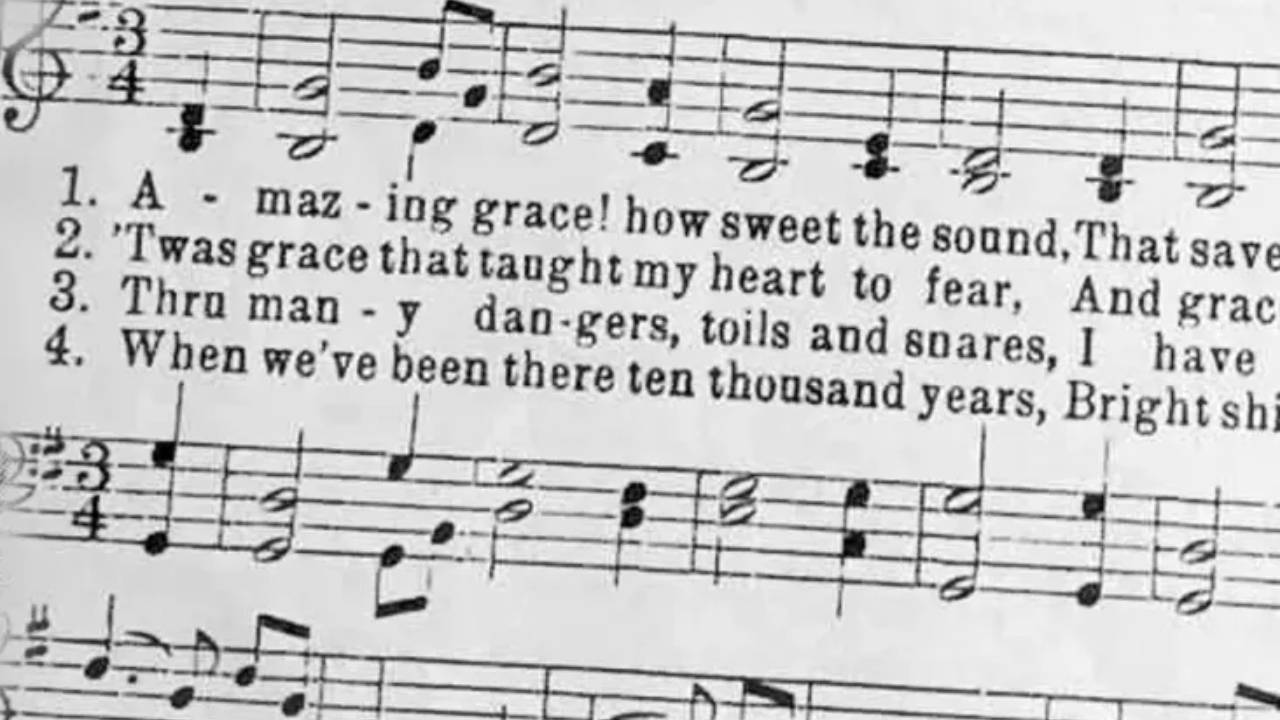
    “Amazing grace, how sweet the sound, that saved a wretch like me…”

    You’ve probably sung those words a many times. But have you ever wondered about the man who wrote them? More specifically, have you ever wondered how John Newton handled money after his dramatic conversion?

    The answer might surprise you, and it definitely changed how I think about stewardship.

    The Wretch in Question

    John Newton wasn’t just any sinner. He was a slave trader who profited from human misery on an industrial scale. For years, he transported kidnapped Africans across the Atlantic, viewing them not as human beings but as cargo.

    Newton was driven by one thing: profit.

    He accumulated significant wealth through one of the most horrific industries in human history. By any measure, Newton was financially successful.

    He was also spiritually bankrupt.

    The Storm That Changed Everything

    On March 10, 1748, Newton’s ship encountered a violent storm that nearly destroyed it. Facing death, something broke in Newton’s heart. He cried out to God, perhaps for the first time in his life.

    That storm didn’t immediately transform Newton (his full conversion took years), but it began a process that would revolutionize not just his soul, but his relationship with money.

    The Grace Discovery

    After his conversion, Newton made a discovery that changed everything about how he handled money:

    “I am not what I ought to be, I am not what I want to be, I am not what I hope to be in another world; but still I am not what I once used to be.”

    Newton understood that everything in his life—including his financial resources—was a gift of undeserved grace.

    This wasn’t just theological theory for Newton. It was a personal reality. He had been saved from a life of evil and given a new purpose. How could he respond with anything less than radical generosity?

    The Great Giveaway

    Here’s what Newton did with his money after his conversion:

    He gave most of it away.

    As a pastor, Newton could have lived comfortably. But he chose to support theological education, help the poor, and fund the movement to abolish slavery in England.

    When people asked him why he gave so much away, Newton would reference his amazement at grace:

    “If I ever reach heaven, I expect to find three wonders there: first, to meet some I had not thought to see there; second, to miss some I had expected to see there; and third, the greatest wonder of all—to find myself there.”

    Newton never got over the fact that he had been saved. And that wonder fueled his generosity.

    The Newton Principle

    From studying Newton’s life, I’ve discovered what I call the “Newton Principle”:

    Generous living isn’t about what God wants FROM you—it’s about what God wants FOR you.

    Newton didn’t give it because he had to. He gave it because he wanted to. Grace had transformed his heart so completely that keeping money for himself felt like hoarding treasure when there was a kingdom to build.

    This challenges everything our culture teaches about money:

    • Culture says: “You earned it, you deserve it.”
    • Newton said: “I deserved hell, but got heaven instead.”
    • Culture says: “Look out for number one.”
    • Newton said: “Christ looked out for me when I was His enemy.”
    • Culture says: “Money equals security.”
    • Newton said: “God is my security; money is just a tool.”

    What Newton Knew That We Don’t

    Newton understood something that most modern Christians miss: your money reveals your theology.

    Think about it:

    • If you believe God owns everything, you’ll give generously.
    • If you believe God will provide, you won’t hoard fearfully.
    • If you believe eternity matters more than time, you’ll invest accordingly.

    But if you believe (even subconsciously) that your security comes from your savings account, that your worth equals your wealth, and that this life is all there is, well, you’ll give like most Christians give.

    Less than 2% of their income.

    The Newton Challenge

    Newton’s example raises some uncomfortable questions:

    1. Does your giving reflect amazement at grace, or obligation to a rule?
    2. Are you more excited about your retirement account or your kingdom investment?
    3. If you lost everything tomorrow, would your identity be shaken?
    4. Does your money serve your agenda or God’s agenda?

    A Modern Application

    I’m not suggesting you have to give away 90% of your income like Newton did. But I am suggesting we ask ourselves Newton’s fundamental question:

    “If I’m saved by grace alone, shouldn’t that grace transform how I handle everything, including money?”

    For Newton, the answer was a resounding yes.

    He wrote “Amazing Grace” not just as a song, but as a lifestyle. Every dollar he gave away was a note in that song, a tangible expression of gratitude for undeserved mercy.

    The Newton Legacy

    Newton died in 1807 with little money in the bank. But his legacy includes:

    • The abolitionist movement he helped inspire
    • Countless pastors trained through ministries he supported
    • Churches planted using principles he taught about generous living
    • “Amazing Grace” sung by millions for over 200 years

    Newton chose eternal impact over temporal accumulation. And 200+ years later, his investment is still paying dividends.

    What About You?

    I’m currently researching these principles for a book I’m writing on biblical stewardship. Newton’s story is just one of many examples of Christians who discovered that generous living brings more joy than anxious accumulation.

    But here’s my question for you: What would change in your financial life if you truly believed that everything you have is a gift of grace?

    What if Newton was right, that generous living isn’t about what God wants from you, but what God wants for you?

    The Amazing Grace Challenge

    This week, I challenge you to sing “Amazing Grace” with Newton’s story in mind. Remember that the man who wrote those words gave away most of his money because he couldn’t get over the fact that he had been saved.

    Then ask yourself: Does my giving reflect that same amazement at grace?

    Because if Newton taught me anything, it’s this: When you truly understand grace, generosity becomes inevitable.

    What do you think about Newton’s approach to money? Does his story challenge or encourage you? I’d love to hear your thoughts in the comments.

    P.S. If you’re interested in learning more about how historical Christians handled money and stewardship, make sure to subscribe to my newsletter. I’m working on a comprehensive resource that I think you’ll find transformative.

    Photo: Hymnal


    Originally published on the Church Vitality Network.
  • Why 78% of Christians Give Less Than 2% (And What We Can Do About It)

    Why 78% of Christians Give Less Than 2% (And What We Can Do About It)

    Why 78% of Christians Give Less Than 2% (And What We Can Do About It)

    The shocking disconnect between Sunday faith and Monday finances

    Last week, I was reviewing giving statistics from various Christian research organizations, and I came across a number that stopped me cold:

    78% of Christians give less than 2% of their income to their church.

    Let that sink in for a moment.

    We’re talking about people who claim to follow Jesus Christ, the One who gave His life for them, and yet the vast majority give less than the cost of a monthly Netflix subscription to advance His kingdom.

    But before we start throwing stones, let me ask you an honest question: Why do you think this is happening?

    The Uncomfortable Truth

    After twenty years in ministry and countless conversations about money and faith, I’ve discovered that this isn’t primarily a heart problem; it’s an education problem.

    Most Christians have simply never been taught what the Bible actually says about money.

    Think about it: Jesus talked about money more than heaven and hell combined. He told 38 parables, and 16 of them were about possessions and stewardship. Yet when was the last time you heard a comprehensive sermon series on biblical stewardship?

    When was the last time someone taught you how to be generous instead of just telling you that you should be generous?

    The Four Root Causes

    Through my research, I’ve identified four primary reasons for this giving gap:

    1. Biblical Illiteracy About Money

    Most Christians can quote John 3:16, but they’ve never heard of Luke 12:21: “So is he that lays up treasure for himself, and is not rich toward God.”

    We know the salvation verses but not the stewardship verses.

    2. Church Hurt and Suspicion

    Let’s be honest, scandals involving televangelists and prosperity preachers have made many Christians suspicious of anyone talking about money from the pulpit.

    I get it. I’ve seen the damage done by leaders who twist Scripture for financial gain.

    3. Cultural Conditioning

    We live in a culture that screams “It’s YOUR money!” from every corner. The idea that we might be stewards rather than owners feels foreign, even offensive.

    4. Lack of Practical Framework

    Even Christians who want to be generous often don’t know where to start. How much should I give? To what? When? Why?

    Without a biblical framework, we default to emotional giving or no giving at all.

    What John Newton Discovered

    Here’s what gives me hope: some of history’s greatest Christians faced these same struggles and found a way through.

    Take John Newton, the former slave trader who wrote “Amazing Grace.” Before his conversion, Newton was driven by one thing: profit. He accumulated wealth through one of the most horrific industries in human history.

    But after his dramatic conversion, Newton made a discovery that changed everything:

    Generous living isn’t about what God wants FROM you, it’s about what God wants FOR you.

    Newton began giving away most of his income. He supported theological education, helped the poor, and played a key role in the movement to abolish slavery in England.

    When people asked him why he gave so much away, Newton would say: “If I ever reach heaven, I expect to find three wonders there: first, to meet some I had not thought to see there; second, to miss some I had expected to see there; and third, the greatest wonder of all, to find myself there.”

    Newton understood that everything he had was a gift of grace. Generous giving wasn’t a burden; it was a joyful response to overwhelming mercy.

    The Path Forward

    So, what can we do about this 78% problem?

    First, we need to start with the Gospel, not guilt. Generous giving must flow from gratitude for what Christ has done for us, not from manipulation or obligation.

    Second, we need biblical education. Christians need to understand what Scripture teaches about money, stewardship, and the local church.

    Third, we need practical frameworks. It’s not enough to say “be generous.” We need to teach people how to move from financial anxiety to kingdom confidence.

    Fourth, we need to address the hurt. Many Christians have been wounded by churches or leaders who mishandled money. Healing must happen before healthy giving can occur.

    A Personal Challenge

    I’m currently working on a comprehensive resource to address these issues—a 28-day journey through biblical stewardship that I believe could help close this giving gap.

    But in the meantime, let me challenge you with this: What if the reason you’re not experiencing the joy of generous living isn’t because you don’t have enough money, but because no one has ever taught you how to think about money the way God thinks about it?

    What if there’s a better way?

    Questions for Reflection

    1. Do you fall into the 78% or the 22%? Be honest.
    2. What’s your biggest obstacle to generous giving?
    3. Have you ever been taught a biblical framework for stewardship?
    4. What would change if you truly believed that everything you have belongs to God?

    What’s Next?

    Over the next few weeks, I’ll be sharing more insights from my research into biblical stewardship. If you found this post helpful, I’d encourage you to subscribe to my newsletter for updates on this project.

    Because here’s what I believe: If we can solve the stewardship problem, we can transform the church. And if we can transform the church, we can change the world.

    The question is: Are you ready to be part of the solution?


    What do you think? Have you noticed this giving gap in your own church or life? I’d love to hear your thoughts in the comments below.

    Photo


    Originally published on the Church Vitality Network.

  • Revitalizing the American Christian Family: A Call for Kingdom Growth

    Revitalizing the American Christian Family: A Call for Kingdom Growth

    As North America continues to grapple with declining birth rates and a shift away from traditional religious values, a growing body of evidence suggests that the Christian family holds the key to both demographic sustainability and spiritual renewal.

    This blog article argues that Christian families must respond to the biblical mandate to “be fruitful and multiply,” not merely as a cultural preference but as a faithful response to God’s design and a strategic imperative for the future of the faith.

    A Shrinking Population and a Growing Crisis

    The fertility rate in the United States has dropped to 1.786 births per woman in 2025—well below the replacement rate of 2.1¹. Religious Americans, however, tend to have higher fertility rates than their secular peers. Christian families, for instance, average 2.7 children per woman, while religiously unaffiliated women average just 1.6².

    This demographic shift is not occurring in isolation. Since 2007, the percentage of U.S. adults identifying as Christian has fallen from 78% to 62%³, with church closures outpacing new starts at a rate of 4-to-1⁴. Pre-pandemic data showed 3,500 people leaving churches every day, and projections suggest that 100,000 churches may close by 2050⁵.

    Immigration and Faith Demographics

    Immigration trends are also reshaping the religious landscape. In recent years, 32% of new immigrants have identified as Muslim or Hindu⁶. The Muslim population, which globally grew 21% in the past decade, is the fastest-growing religious group in North America⁷. With a fertility rate of 2.9 children per woman⁸, Muslim communities are poised for long-term growth, while Christian communities face stagnation or decline.

    Faith Reproduces Through Families

    The primary way faith is passed from one generation to the next is through the family. Despite the importance of conversion, most lasting faith commitments begin in the home. As younger generations drift from church affiliation—45% of Generation Z identifies as religiously unaffiliated⁹—family-based discipleship is more vital than ever.

    Children are not burdens; they are blessings and essential building blocks for the future of Christianity. Scripture frames children as “a heritage from the Lord” (Psalm 127:3), and they represent more than mere demographic numbers. They are future worship leaders, pastors, missionaries, and cultural influencers.

    Cultural Resistance and Spiritual Battle

    The decline in birth rates is tied to broader societal values. Modern Western culture increasingly prioritizes career advancement, material comfort, and personal fulfillment over family growth and spiritual legacy. Young adults delay or avoid childbearing due to financial concerns or environmental fears¹⁰.

    Christian teaching, however, emphasizes trust in God’s provision and purpose. The current reluctance to have children is not just a social issue—it reflects a spiritual battle over identity, responsibility, and future hope.

    A Call to Action

    Young Christian couples are encouraged to consider the spiritual and societal importance of building larger families. Churches must actively support these families—providing not only theological teaching on the value of children but also practical support through childcare, financial assistance, and community life.

    Christian communities, too, must create a culture that celebrates life, encourages early family formation, and honors the calling to raise children in the faith. Rather than simply being family-friendly, churches must become centers of family multiplication.

    Looking Ahead

    While demographic trends pose significant challenges, hope remains. Conservative religious communities that pair higher fertility with strong discipleship are growing¹¹. If Christian families embrace both the theological and practical aspects of childbearing, they can help stem the tide of decline and lay a strong foundation for future generations.

    The future of Christianity in North America may well be determined not by political power or technological innovation, but by the choices made around dinner tables, in living rooms, and in maternity wards.

    Last Thoughts

     Christian families have the opportunity, and the responsibility, to shape the future. By embracing the call to multiply, they participate in the redemptive work of God for generations to come.


    ¹ Macrotrends. (2025). U.S. Fertility Rate 1950-2025. https://www.macrotrends.net/countries/USA/united-states/fertility-rate
    ² Pew Research Center. (2021). Religion and Fertility. https://www.pewresearch.org/fact-tank/2021/05/07/religion-and-fertility/
    ³ Pew Research Center. (2022). Modeling the Future of Religion in America. https://www.pewresearch.org/religion/2022/09/13/modeling-the-future-of-religion-in-america/
    ⁴ Lifeway Research. (2021). More Churches Closing Than Opening. https://research.lifeway.com/2021/05/26/more-churches-closing-than-opening/
    ⁵ Barna Group. (2019). State of the Church. https://www.barna.com/research/state-of-the-church/
    ⁶ Pew Research Center. (2013). The Religious Affiliation of U.S. Immigrants. https://www.pewresearch.org/religion/2013/05/17/the-religious-affiliation-of-us-immigrants/
    ⁷ Pew Research Center. (2017). The Future of World Religions. https://www.pewresearch.org/religion/2017/04/05/the-future-of-world-religions/
    ⁸ Pew Research Center. (2011). The Future of the Global Muslim Population. https://www.pewresearch.org/religion/2011/01/27/the-future-of-the-global-muslim-population/
    ⁹ Springtide Research Institute. (2022). The State of Religion and Young People. https://www.springtideresearch.org/the-state-of-religion-young-people-2022/
    ¹⁰ Institute for Family Studies. (2023). Why Are Americans Having Fewer Children? https://ifstudies.org/blog/why-are-americans-having-fewer-children
    ¹¹ Christianity Today. (2020). Why Some Churches Are Growing. https://www.christianitytoday.com/news/2020/january/growing-churches-conservative-theology-report-canada-us.html

    Originally published on the Church Vitality Network.